
Hawaii puts a rainbow on the license plate for a reason. This is the most reliable rainbow real estate in the country, and if you know when to look, you will see more of them in a week here than you might in a decade back home.
If you’re wondering when are the best times to see rainbows in Hawaii, the short answer is early morning, right after a passing shower, with the sun low behind you. But that answer skips the reasons, and the reasons are what actually help you catch one on purpose instead of by luck.
Why Hawaii Makes so Many Rainbows
 A rainbow needs three things at once: sunlight, water droplets in the air, and the right angle between them. Most places get one or two of those on a regular basis. Hawaii gets all three constantly because of the trade winds.
The trades push moist ocean air into the mountains on the windward sides of each island. That air rises, cools, and drops its water as a quick shower, often over one valley while the next valley stays dry. The shower moves through fast, the sun comes back out, and the moisture left behind in the air catches the light. That is the whole trick, repeated dozens of times a day somewhere on every island.
Best Times to See Rainbows in Hawaii
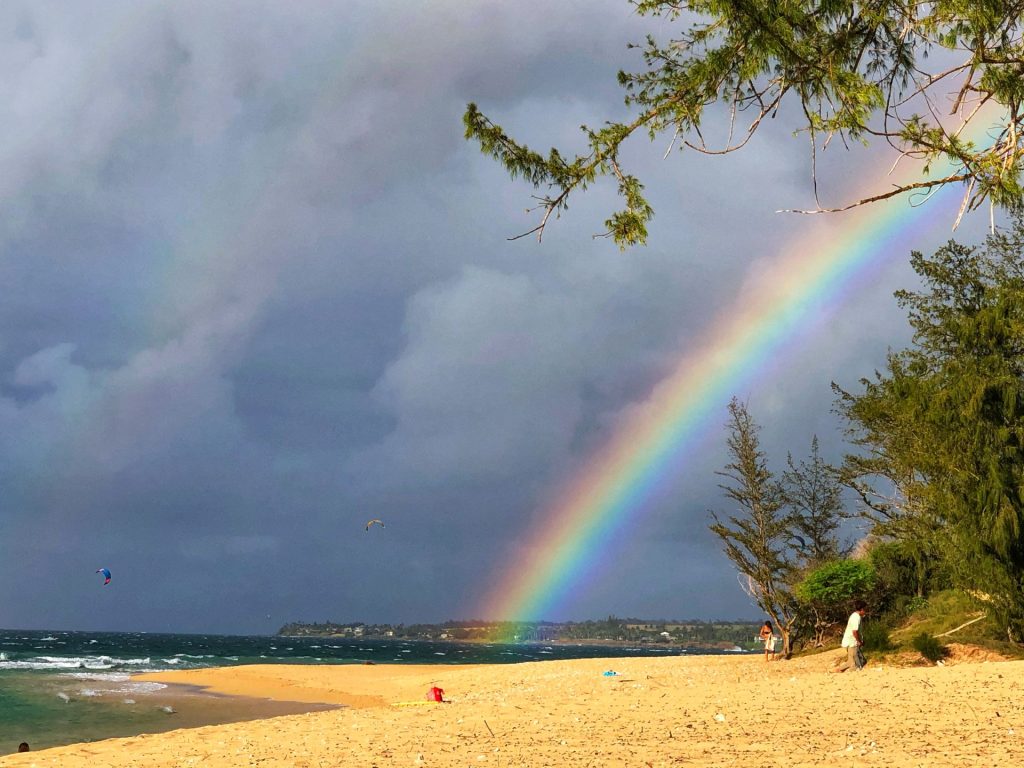 Early morning wins, usually between 7 and 9 a.m. The sun sits low on the horizon, which puts it at the correct angle to throw a rainbow high across the sky rather than a faint arc near the ground. Trade wind showers also tend to roll through most often in the early hours, before the day heats up and the pattern shifts.
Late afternoon works too, an hour or two before sunset, for the same reason: a low sun angle plus a good chance of a passing shower.
Midday rainbows do happen, but the sun sits too high overhead to throw much of an arc. You might catch a small one low near the ground, but do not expect the big, full arch you see on postcards.
What Direction to Face to See a Rainbow
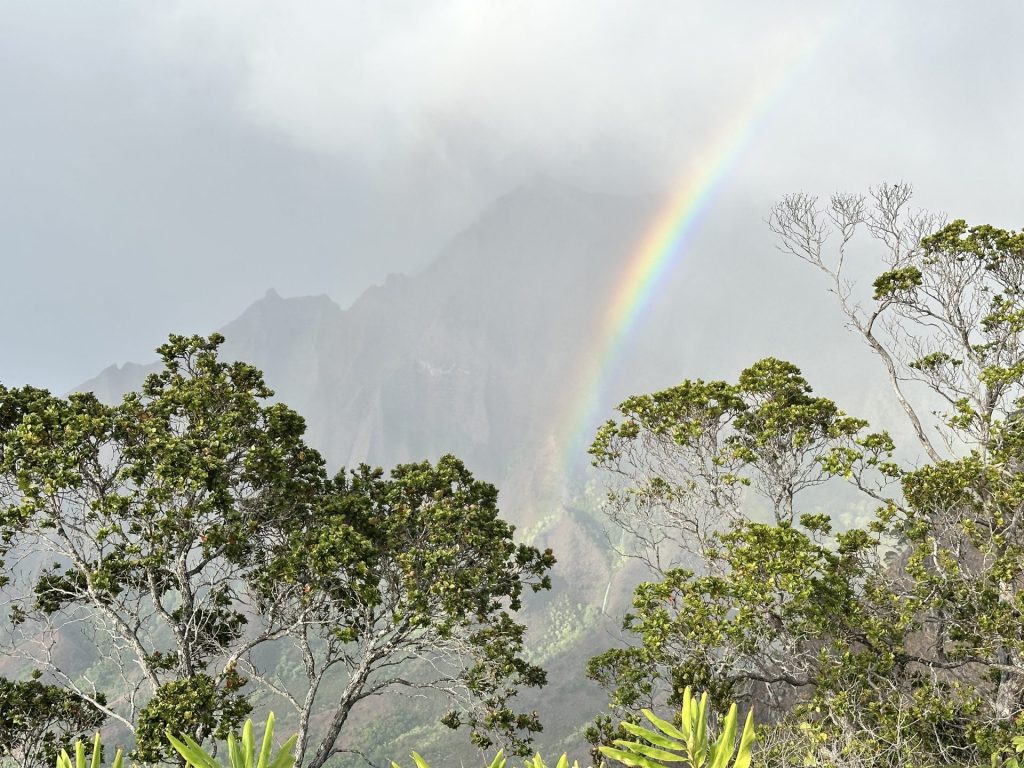 A rainbow always appears opposite the sun, so the sun needs to be at your back. In the morning, that means looking toward the mountains, since the sun rises in the east behind you and the windward valleys sit ahead. In the late afternoon, flip it around and look toward the ocean.
If you stand somewhere with a clear view of a windward valley, like the Nuuanu Pali Lookout on Oahu or the Hanapepe Valley Lookout on Kauai, you improve your odds even further, since those valleys generate their own weather almost daily.
What Season is Best for Rainbow-Viewing
 Winter gets called rainbow season because the islands see more rain overall between November and March. That is true, but summer showers still roll through the mountains most mornings, just with less volume. Do not skip a summer trip thinking you missed your chance. A June morning at Manoa Falls on Oahu produces rainbows often enough that locals barely look up anymore.
Double Rainbows All The Way Across the Sky (And Where to Find Them)
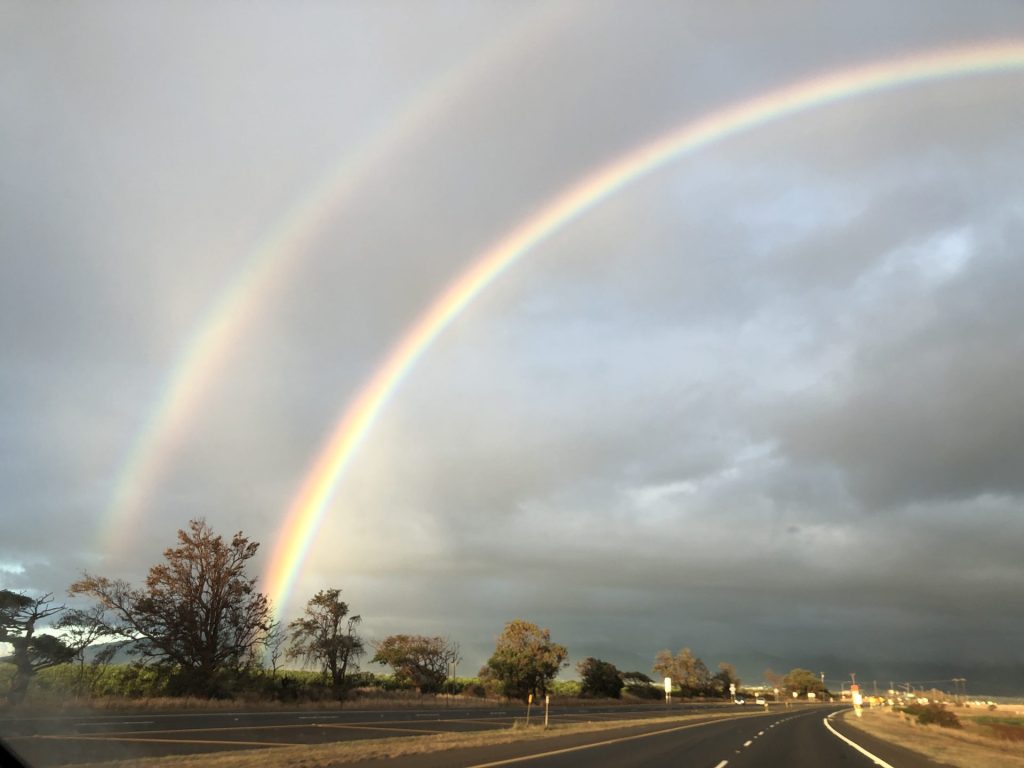 A double rainbow forms when light bounces twice inside each droplet instead of once, creating a fainter second arc above the main one. Hawaii produces these often because the shower-then-sun pattern repeats so many times a day, and each fresh burst of moisture is a new chance at a double.
Manoa Valley on Oahu earns its reputation here. The valley traps moisture against the Koolau mountains and produces rainbows, including doubles, on a near daily basis. Waimea Canyon on Kauai does the same thing on a grander scale, with rainbows stretching across the canyon walls after a quick shower.
Tips for The Rainbow Viewing Professional (You)
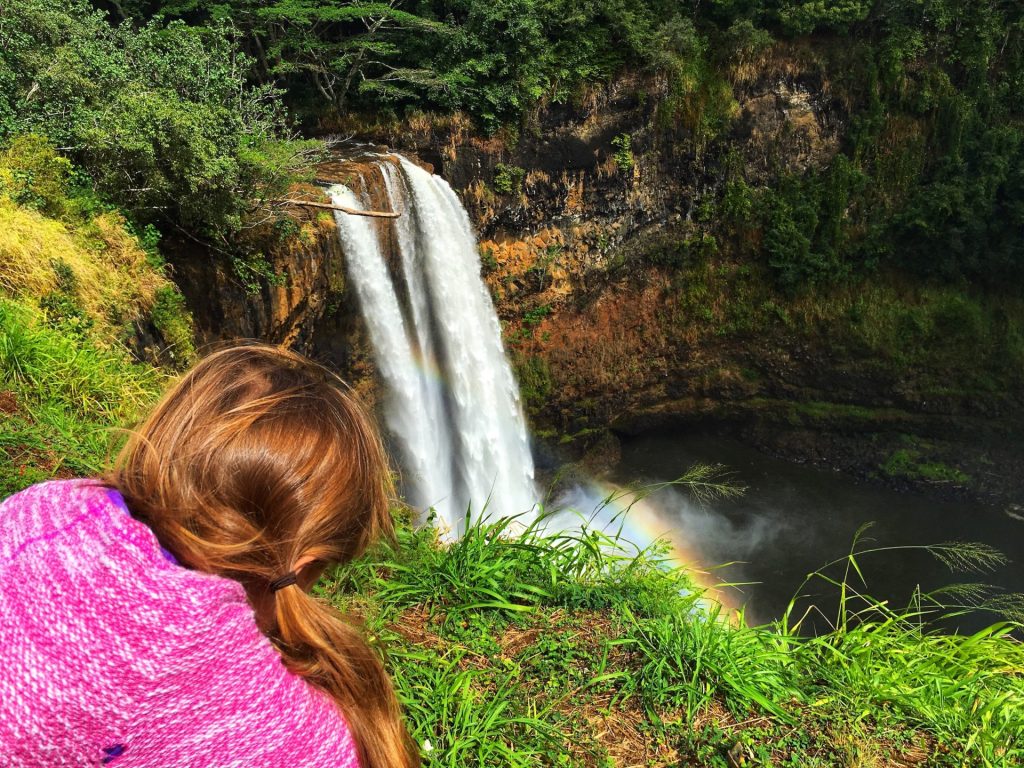 Keep a rain jacket or light poncho within reach on any morning hike, since the same shower that makes the rainbow will get you wet first. Trade wind showers rarely last more than ten or fifteen minutes, so waiting one out under a tree usually pays off with a clear sky and an arc across the valley right after.
Check a wind and rain radar app the night before if you have a specific spot in mind. Hawaii’s weather moves fast and changes by the valley, so a forecast for “Oahu” tells you far less than a look at which side of the island the clouds are sitting on that morning. And if the rain clouds aren’t cooperating, waterfalls are good alternative if you catch them at the right time of day.
Rainbows here are not rare, and they are not luck. They are just weather, repeating on a schedule the islands have run for longer than anyone has been keeping score. Get up a little early, look toward the mountains, and let the trade winds do the rest.
0 Comments