
There’s a moment every visitor experiences on Maui, the Big Island, or Oʻahu — a rustle in the undergrowth, a flash of brown fur, and a quick, low-slung animal darting across the road before vanishing into the grass. Your first instinct might be to feel charmed. A wild animal! How delightful! We’re here to gently disabuse you of that sentiment.
That was a mongoose. And its presence in Hawaii is one of the most consequential ecological blunders in the history of the islands.
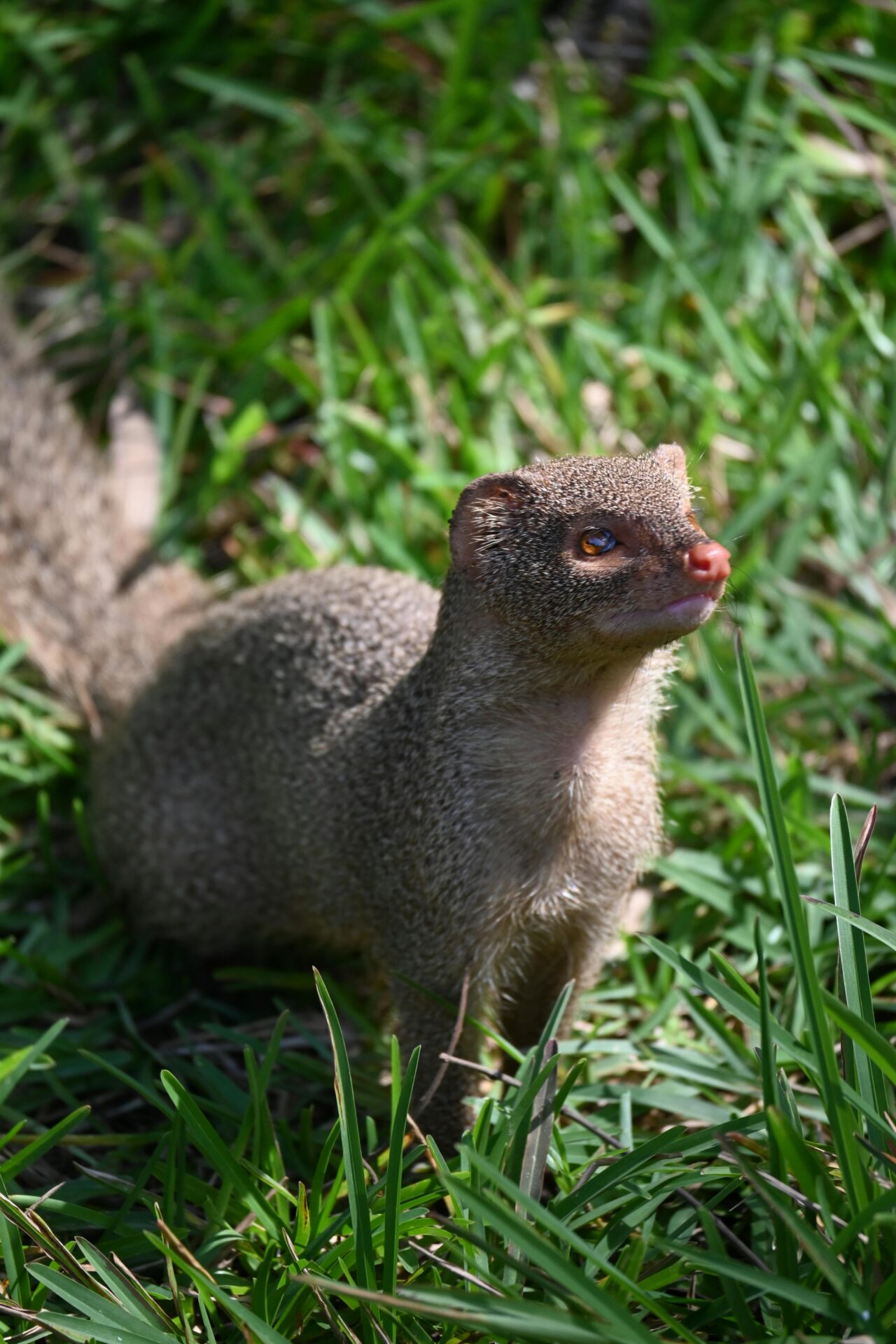
What Exactly is the Story of the Hawaiian Mongoose
The story of the Hawaiian mongoose begins in 1883, when sugarcane planters on the Big Island imported small Indian mongooses from Jamaica to control the rat populations that were devastating their crops. It seemed logical enough. Mongooses eat rats. Rats were a problem. Problem solved. Except nobody apparently thought to mention — or perhaps nobody knew — that rats are nocturnal and mongooses are diurnal. They operate on entirely different schedules. The mongoose arrived, found Hawaii’s ground-nesting birds far easier targets than rats, and proceeded to do catastrophic damage to species that had evolved for millions of years with no mammalian predators whatsoever.
The Mongoose in Hawaii Today
Today, mongooses are established on Oʻahu, Maui, Molokaʻi, and the Big Island. Kauaʻi and Lanaʻi are the lucky exceptions — Kauaʻi because a mongoose that arrived there in the early 1900s was reportedly killed by a dockworker before it could establish a population (imagine being that hero), and Lanaʻi because geography and fortune have so far kept it mongoose-free. If you’re on Kauaʻi and you see a nēnē goose nesting on the ground without a care in the world, you’re witnessing something close to what this island chain looked like before the mongoose arrived on the others.
About The Mongoose and the Damage it’s Caused
The animal itself is actually rather cute up close (but some of the most destructive things are undeniably adorable) — sleek, wiry, about the size of a squirrel but longer, with a pointed snout, small rounded ears, and a bushy tapered tail (basically a ferret-looking thing). They move with that distinctive low-to-the-ground urgency that makes them look perpetually late for something. You’ll spot them along roadsides, near trailheads, around resort landscaping, and pretty much anywhere there’s cover and an opportunity for an easy meal. They’re bold, not particularly afraid of humans, and frankly quite successful as invasive species go.
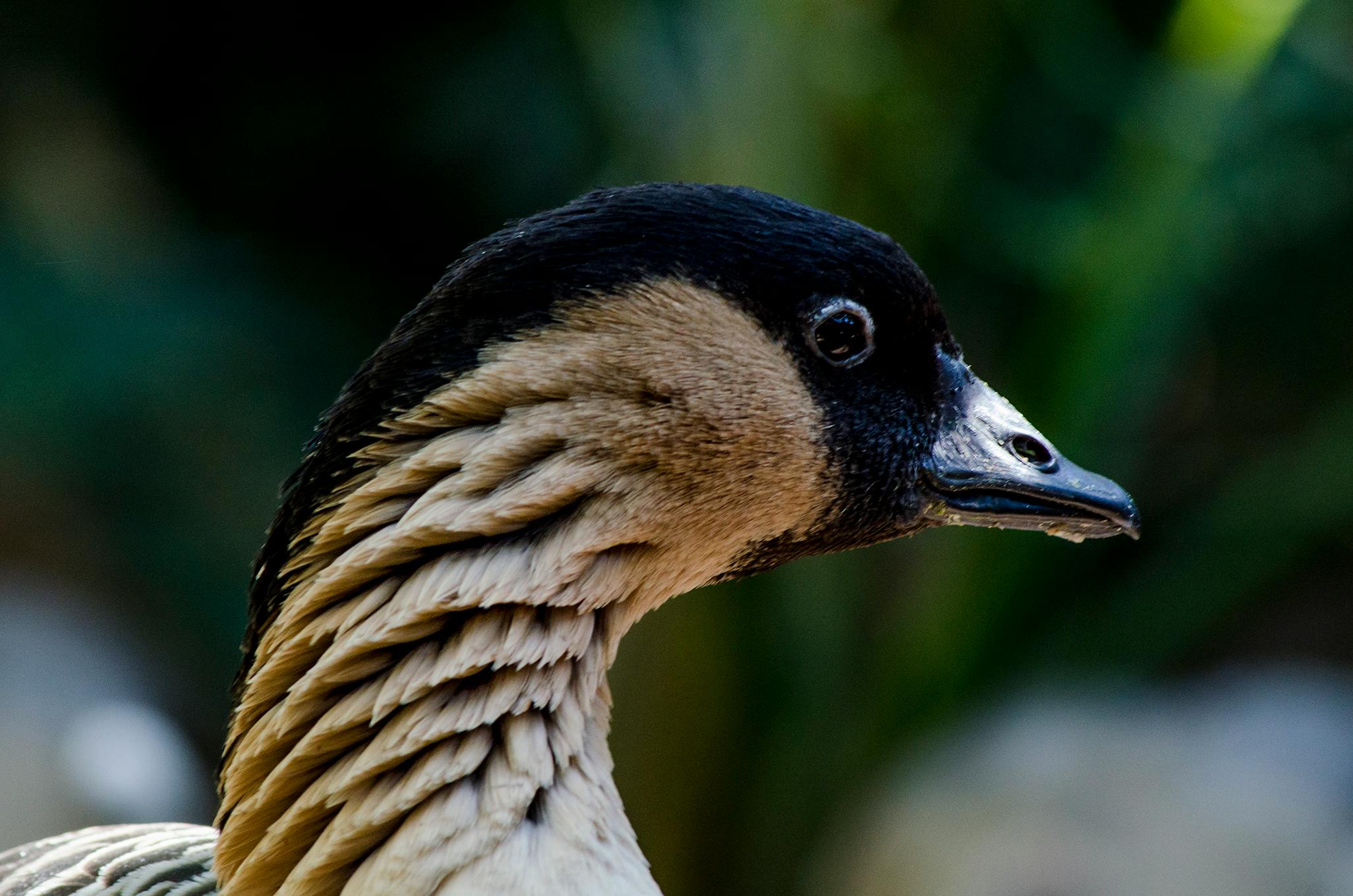
The native nene bird is one species impacted by the mongooses presence.
What they’ve done to Hawaiian wildlife is harder to look at. They are directly implicated in the decline or extinction of several native ground-nesting bird species. Hawaiian petrels, nēnē, and various seabirds have all suffered mongoose predation. They also raid sea turtle nests and take native insects, reptiles, and amphibians. The ecological tab keeps running.
Wildlife managers today trap mongooses actively in sensitive habitat areas, particularly near seabird colonies. Progress is slow and the work never stops.
So yes, watch for them on the road. They’re interesting to observe. Just don’t make the mistake of finding them charming. Hawaii’s birds have been paying that particular bill for over 140 years.
Horseback Riding
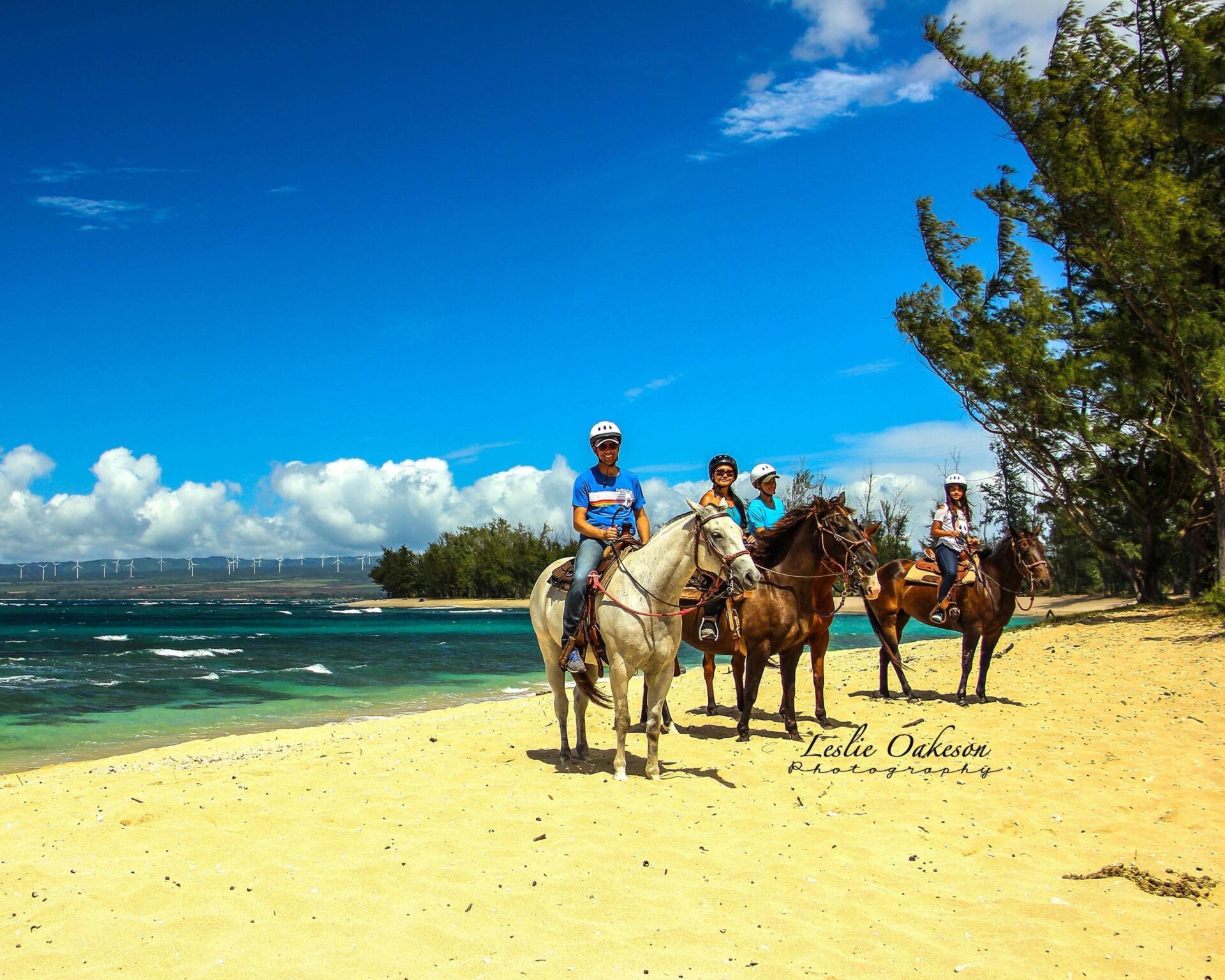
Hawaii Polo Trail Rides: Sunshine Trail Ride
If you dream of riding a horse along a Hawaiian beach, Hawai‘i Polo Trail Rides comes close to fulfilling that fantasy. While most of the trail is on private land behind the beach rather than directly on the sand, the scenery is still breathtaking.
0 Comments