
Hawai‘i’s reefs cover hundreds of square miles and are still growing. (Some colonies have been growing for thousands of years). But facts don’t prepare you for your first face-down encounter with a healthy Hawaiian reef. What prepares you is knowing what you’re looking at. So before you grab your mask and fins, let us introduce you to the cast with our Hawai‘i Coral Guide.
Hawaii’s Coral Guide: What Coral You’ll See in the Islands
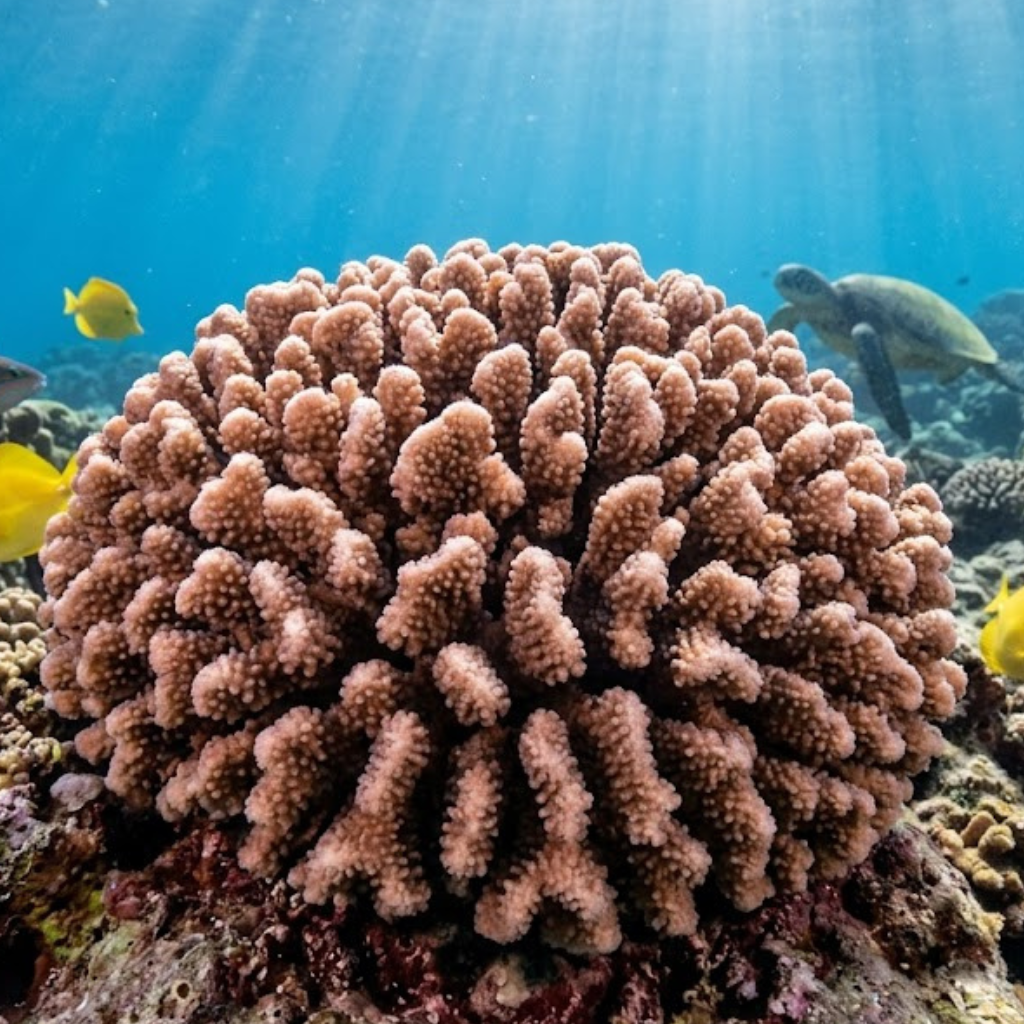
Cauliflower Coral (Pocillopora meandrina)
This coral is the reef’s workhorse and the first thing you’ll recognize. Those chunky, branching clusters that look vaguely like — yes, cauliflower — dominate the shallow zones along exposed coastlines. They’re tough corals, built for surge and surge and more surge. On the South Shore of Maui or the leeward slopes of the Big Island, you’ll find them packed together in dense stands that provide habitat for everything from damselfish to reef sharks. The bleached white skeletons of dead cauliflower coral litter many beaches, rounded smooth by wave action over centuries.
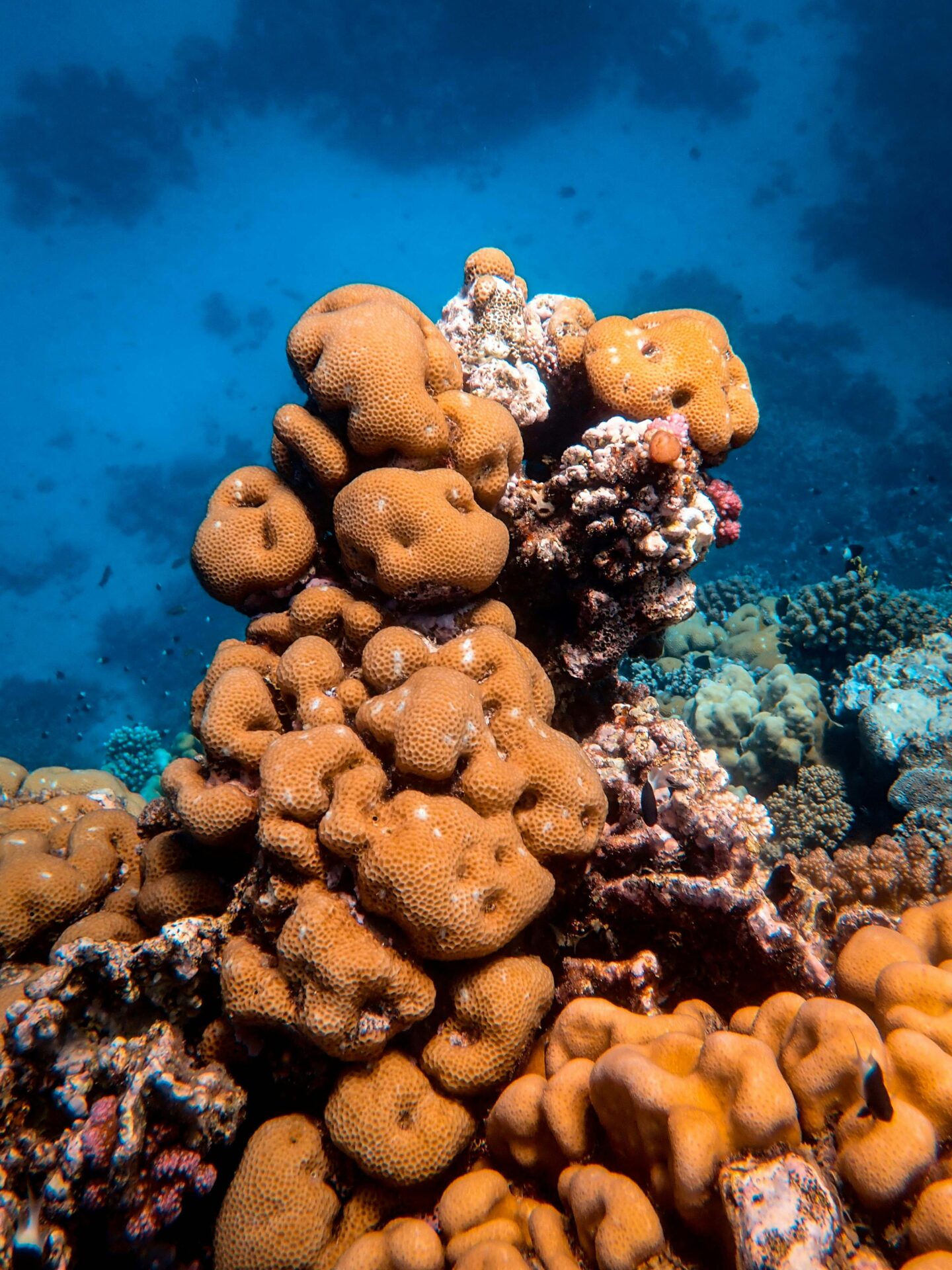
Lobe Corals (Porites lobata)
Venture a bit deeper — say 15 to 40 feet — and you start meeting this coral. These are the gentle giants. Massive, rounded mounds that have been growing at about a centimeter per year, some of them since before Captain Cook sailed through. You can walk up to a lobe coral head the size of a Volkswagen Beetle and realize you’re looking at something 500 years old. They’re typically a dusky brown-green color, unremarkable at first glance, but stop and hover. The surface is covered in tiny polyps, each one a living animal. Some of these lobes have growth records written into their calcium carbonate skeleton that scientists read like tree rings, telling stories of El Niño events, warmer-than-normal years, and ocean chemistry shifts.
Finger Coral (Porites compressa)
This coral is the slender cousin — pale yellow to tan, rising in thin columns from the substrate like a miniature cactus garden. You’ll see it most commonly on calmer, sheltered reef flats. Look closely and you may find it hosting Hawaiian cleaner wrasse, those hyperactive little fish that pick parasites off larger reef residents with almost comic urgency.
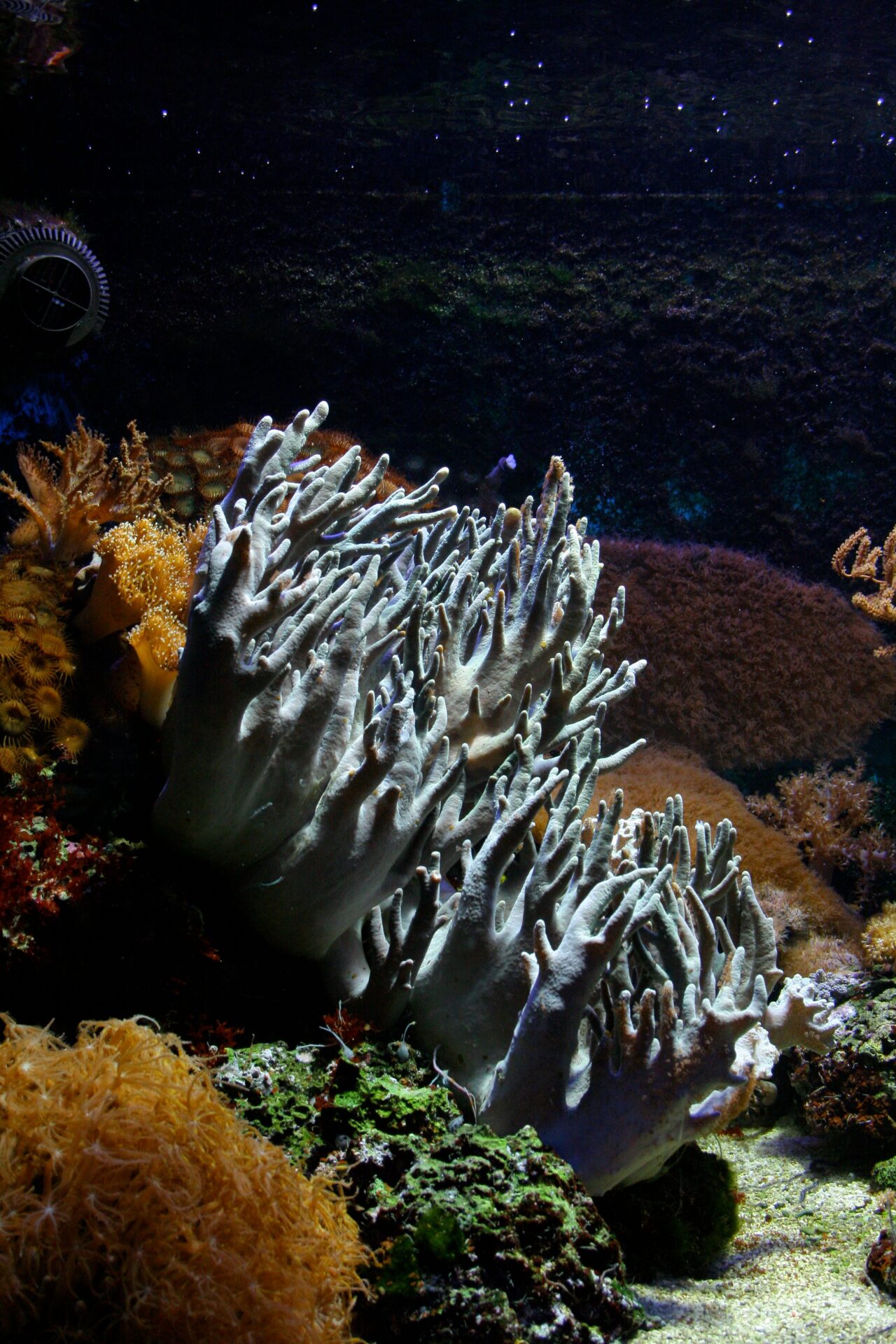
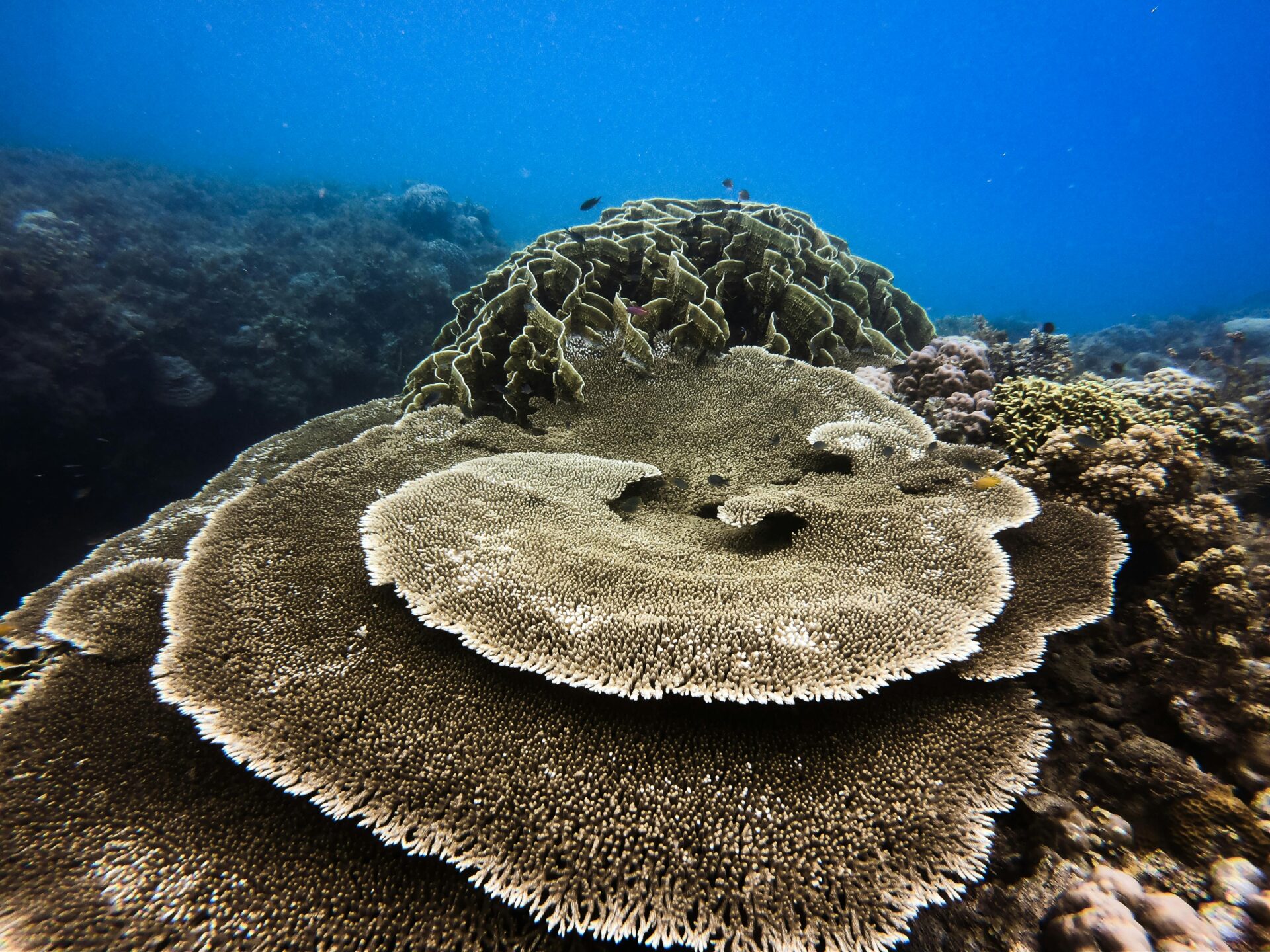
Plate Corals (Pavona and Leptoseris species)
You’ll see this coral on deeper walls and ledges, extend in flat, layered shelves angled to catch whatever weak light filters down. They’re elegant structures, almost architectural, and they tend to signal you’re transitioning into a different reef zone entirely.
Final Note About Hawaiian Coral
Hawai‘i’s coral assemblages are unique. With geographic isolation keeping species diversity relatively low, the corals here developed in ways they haven’t elsewhere. That’s both their vulnerability and their character. The reef you’re about to enter has been building itself in this ocean, with these species, in this particular configuration, for longer than the Hawaiian Kingdom existed.
Snorkeling
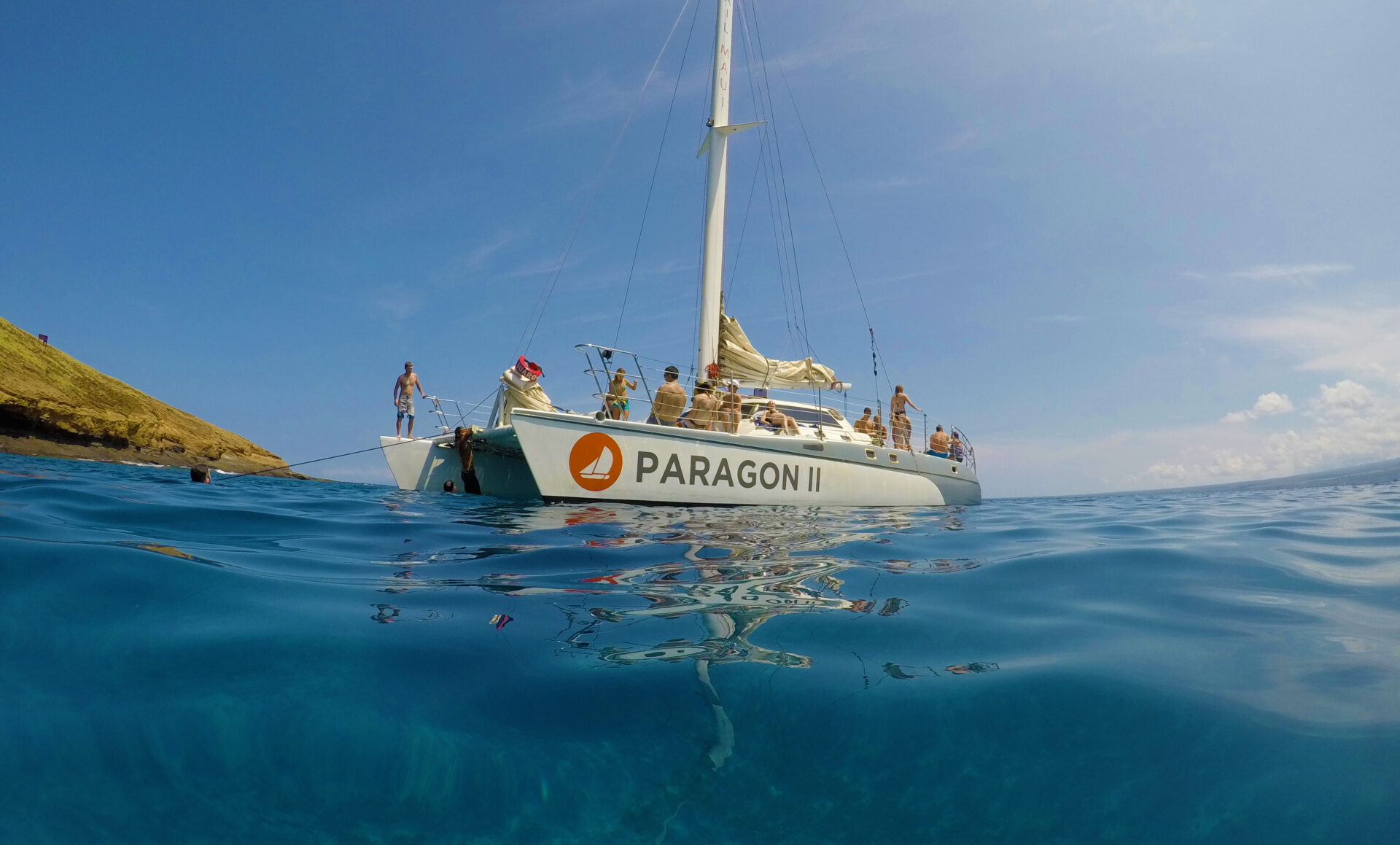
Sail Maui: Molokini Snorkel and Sail
Sail Maui offers a 5-hour Molokini tour. Known for their passion for sailing, they frequently raise sails both ways on their trips. They moor at a prime spot at Molokini, allowing free exploration.
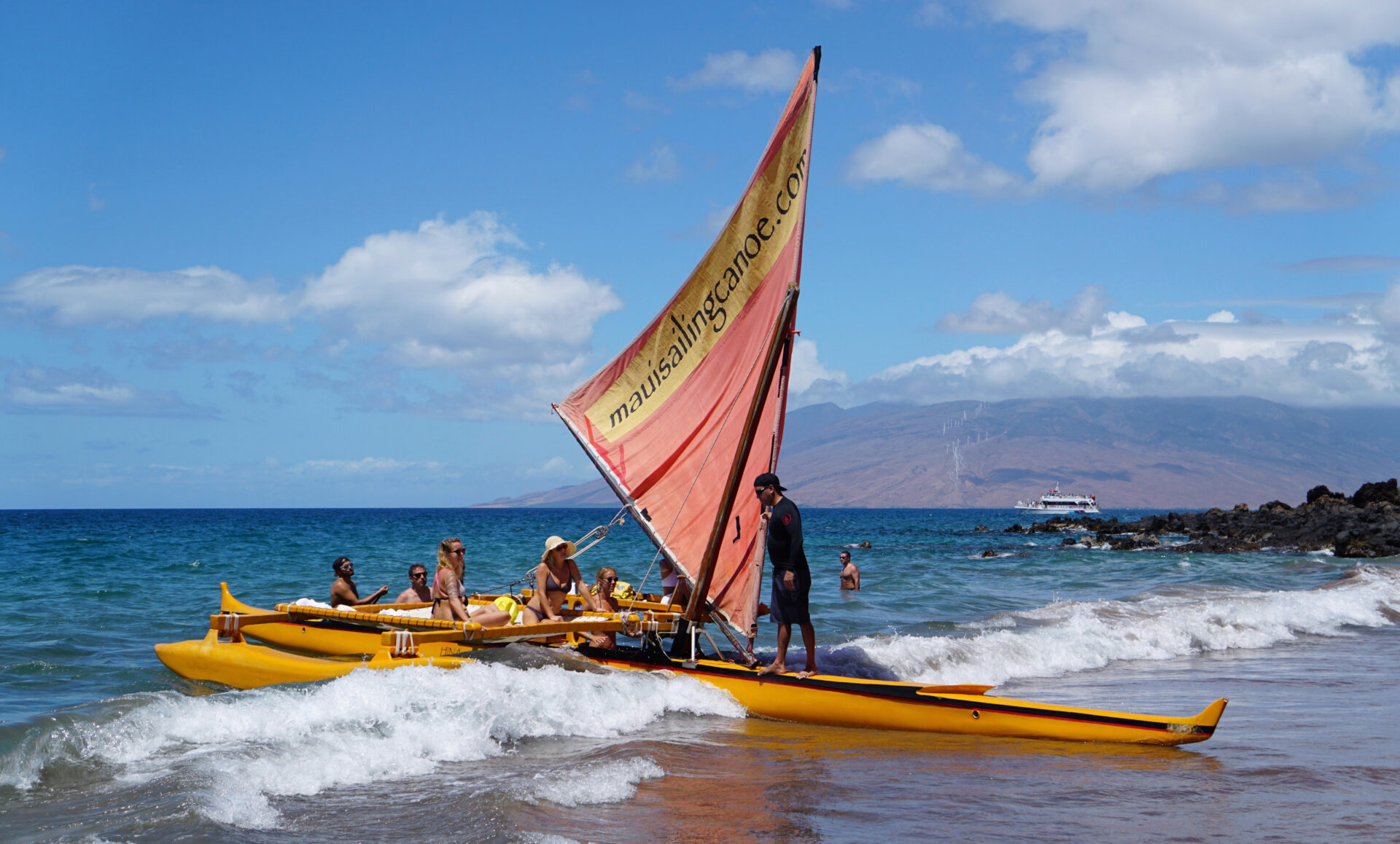
Maui Sailing Canoe: Sail, Snorkel, Paddle Tour
For a unique boat tour experience, Maui Sailing Canoe offers trips on a traditional Hawaiian sailing canoe. You’ll sail along the coast and snorkel off the Grand Wailea. The two-hour trip, led by a captain with years of sailing and racing experience, is filled with local history and legends.
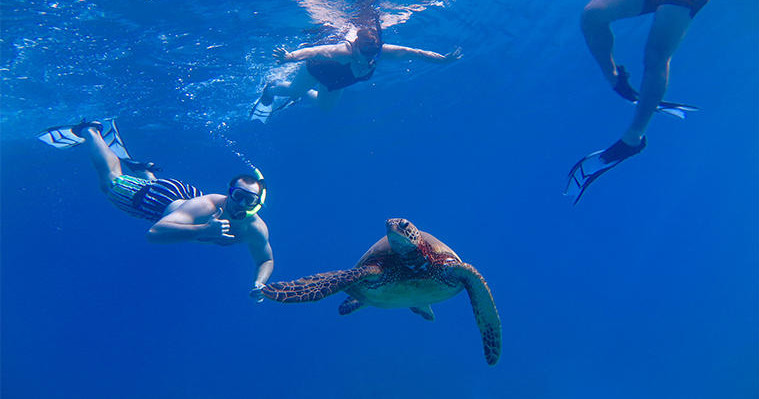
Aloha Kayaks Maui: Ultimate Tour
South Maui’s pristine waters at Makena Landing is known for Hawaiian Green Sea turtles which means sightings are nearly guaranteed! This environmentally friendly tour offers snorkeling among coral reefs with diverse marine life, and kayaking through clear waters.
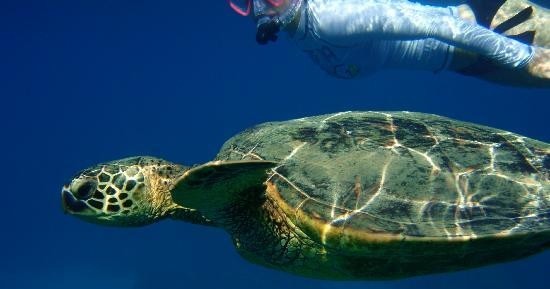
Maui Kayaks: Turtle Town Eco Adventure
This 3-hour beginner-level tour includes kayaking along South Maui’s calm waters and snorkeling among sea turtles. You may also spot manta rays, octopuses, dolphins, and seasonal whales. This guided tour includes all gear, a light snack, and water.
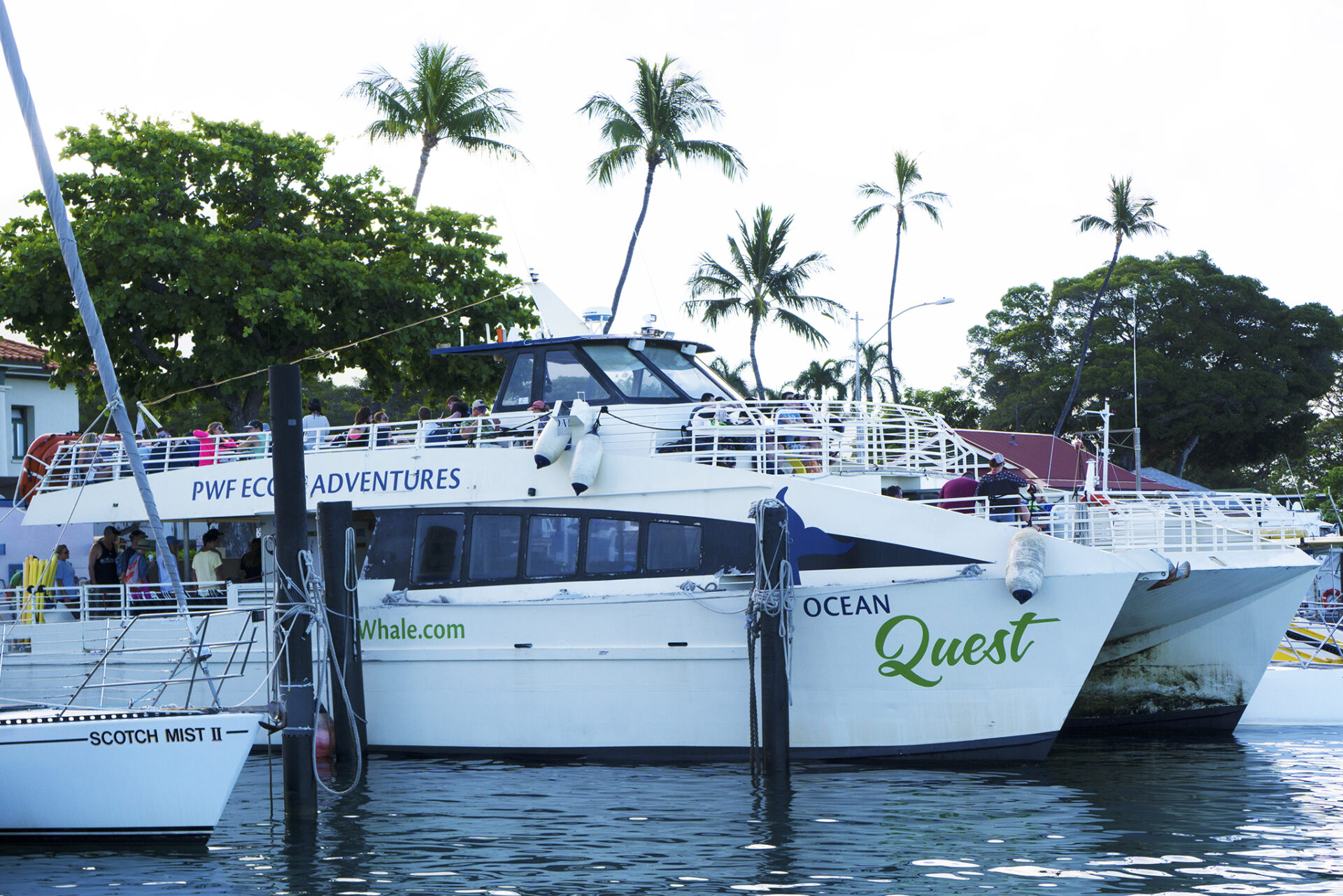
Pacific Whale Eco Adventures: Molokini & Turtle Arches Snorkel
Pacific Whale Foundation Eco-Adventures has been offering whale watching tours since the 1980s to support their nonprofit’s education and research. They offer various tours, including snorkeling, sunset cruises, and star-gazing.
0 Comments