
If you’re driving the road to Haleakala summit at dawn — which you should be, at least once — and a medium-sized goose steps calmly into your headlights and refuses to move, congratulations. You’ve just met the nēnē, Hawaii’s state bird. Don’t honk. It won’t help. The nēnē operates on its own schedule and has survived too much to be intimidated by a rental car.
Meet Hawaii’s State Bird
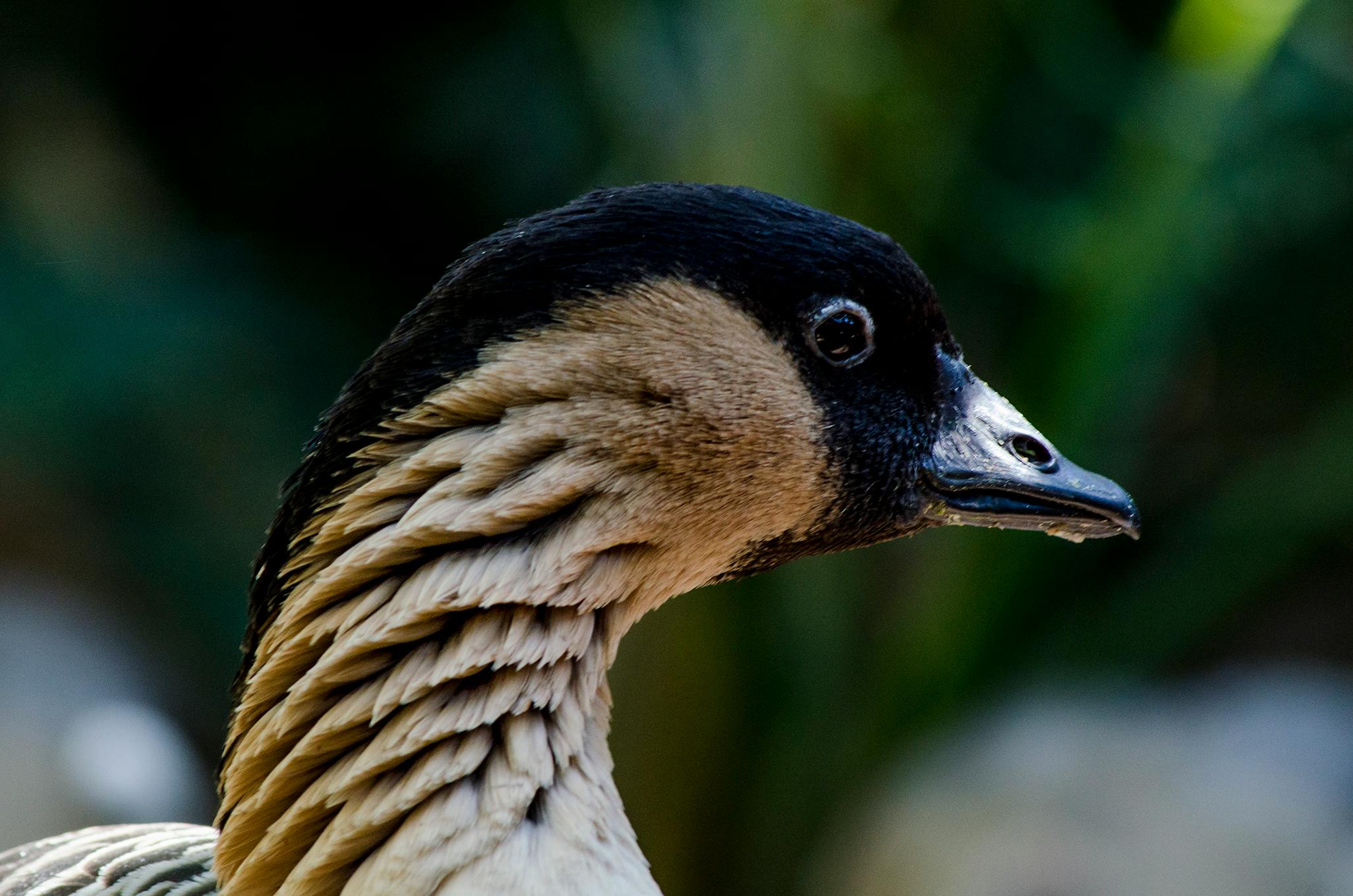
The nēnē (Branta sandvicensis) is Hawai‘i’s state bird, a designation it earned not through flashiness but through sheer improbability of continued existence. By the late 1950s, the entire wild population had collapsed to somewhere around 30 individuals. Thirty. On all the islands. A species that had once numbered in the tens of thousands, shaped by millions of years of island evolution, reduced to a number you could fit in a school bus. Hunting, habitat loss, and introduced predators — rats, cats, dogs, and yes, the mongoose — had done what no natural force had managed in all the preceding millennia.
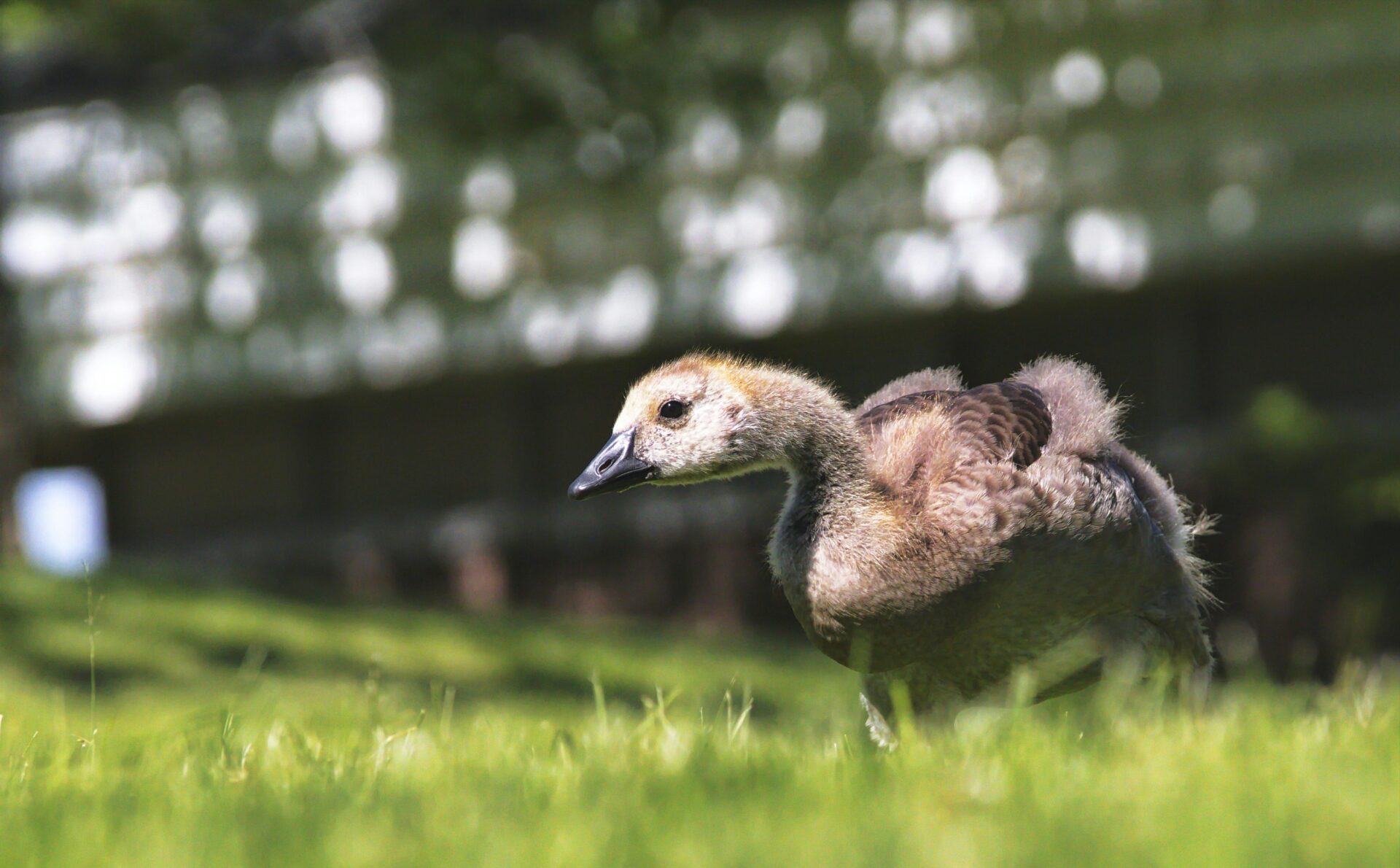
What followed was one of conservation’s more remarkable stories. A captive breeding program, run partly in England at the Wildfowl Trust and partly on the islands themselves, slowly rebuilt the population. Birds were reintroduced to Haleakala on Maui and to the slopes of Mauna Loa and Kilauea on the Big Island. It was painstaking, unglamorous work, and it took decades. Today the wild population sits above 3,000 and is still climbing. The nēnē is no longer on the federal endangered species list — it was downlisted to threatened — which represents genuine, hard-won progress.
History of the Nēnē
The bird itself is a direct descendant of Canada geese that island-hopped to Hawaii somewhere between 500,000 and 700,000 years ago and then proceeded to evolve in complete isolation. The differences are telling. The nēnē’s feet are only partially webbed — it spends its life walking over lava fields and volcanic slopes rather than swimming, so the webbing became less useful and evolution obliged. The legs are longer and stronger than a Canada goose’s. The neck has distinctive buff-colored furrows of feathers. The call is a soft, mournful sound that gives the bird its name — a low, repeated nay-nay that carries across the open crater landscape in a way that feels genuinely ancient.
You’re most likely to encounter nēnē on Kaua‘i. This is the one island where the mongoose hasn’t become established, so ground nesting birds, and nēnē in particular, haven’t had it as rough as the other islands. You can often see them around Kilauea Lighthouse. Another good spot is on Maui at Haleakalā National Park, around the summit district. They also frequent some of the golf courses, as well as the grassy areas near the airport at Kahului. On the Big Island, Hawaiʻi Volcanoes National Park is reliable nēnē territory, particularly around the Kilauea caldera. They’ve also established themselves in smaller numbers on Molokaʻi.
One firm rule: don’t feed them. Well-meaning visitors offering crackers and sandwich scraps have conditioned some birds to approach cars and people, which looks endearing right up until a nēnē gets hit by traffic. They survived the brink of extinction. Help them survive the parking lot too.
Ziplines
Kapalua Ziplines: 6-Line Course
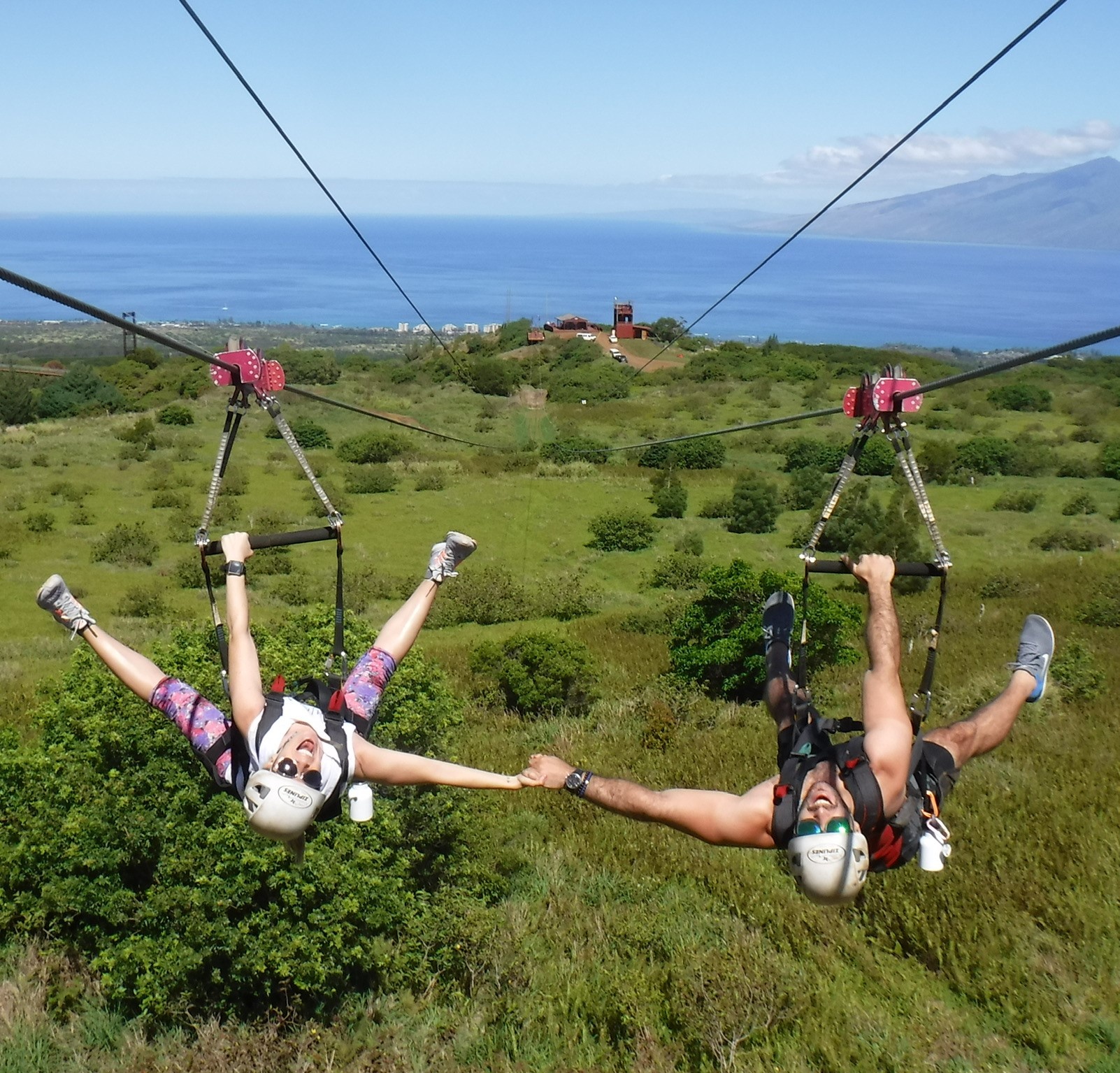
Kapalua Ziplines’ location is one of the biggest selling points for their tour, with sweeping views and cool features such as the 360-foot suspension bridge. Two people can zip beside each other on all six lines of their course.
0 Comments