
The Desert Is Alive
After record rains, Death Valley is poised for its most spectacular wildflower super bloom in a decade. Here’s everything you need to plan your visit.
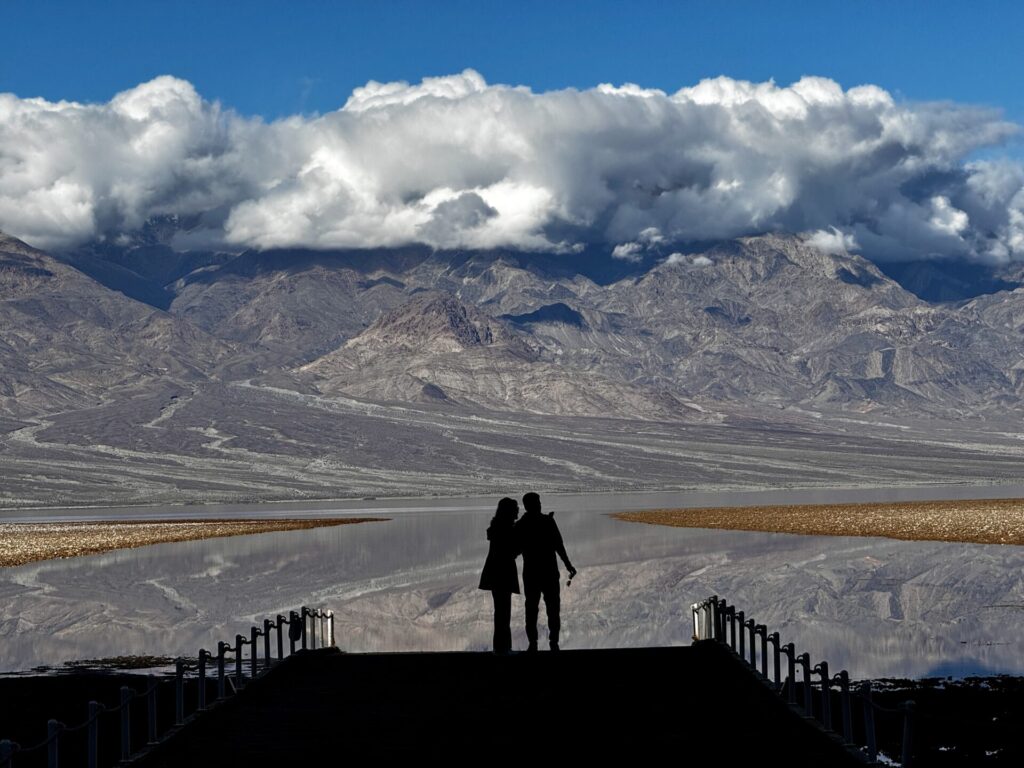
Once every decade or so, the world’s hottest, driest national park transforms into something otherworldly — a sea of gold, purple, and white stretching from horizon to horizon. Following record-breaking rainfall in late 2025, Death Valley National Park is primed for an exceptional bloom year that could rival the legendary super blooms of 2016 and 2005, with low-elevation flowers emerging as early as February and high-elevation blooms expected through June.
Wildflowers You May Encounter
Death Valley’s super bloom is a kaleidoscope of desert-adapted species, each with its own preferred elevation and microhabitat. Here are five stars of the show.
Desert Gold
(Geraea canescens) The showstopper. Bright yellow sunflower-like blooms blanket the valley floor in brilliant sheets — the most abundant and widely photographed species of any super bloom.
Phacelia
(Phacelia spp.) Lavender and deep purple spiraling blooms that create a striking contrast against the golden desert, found from valley floor to canyon walls.
Sand Verbena
(Abronia villosa) Fragrant pink-to-lavender clusters that hug sandy washes and open flats, blooming in dense, mat-forming colonies.
Desert Five-Spot
(Eremalche rotundifolia) A pale pink globe-shaped bloom with five distinctive dark spots at its center — one of Death Valley’s most unique and unmistakable flowers.
Brown-Eyed Primrose
(Camissonia claviformis) Delicate white petals with a chocolaty central eye. One of the first flowers to appear each season along Highway 190, signaling that the bloom has truly begun.
Best Places to See a Panoramic View of the Bloom
Zabriskie Point
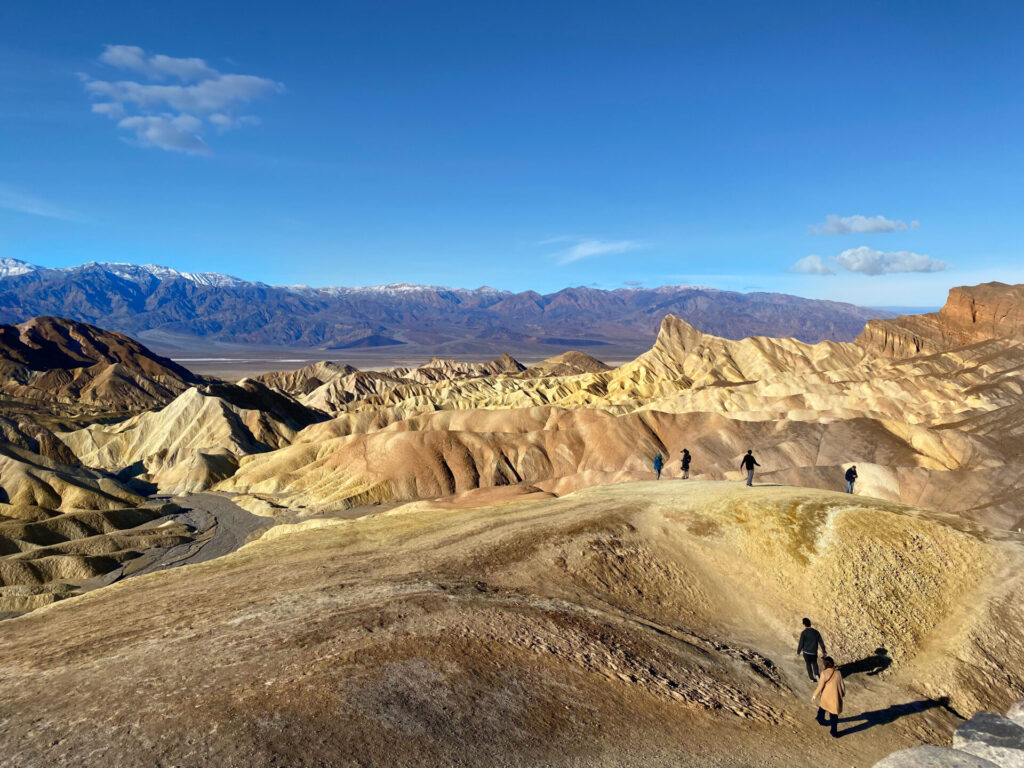
One of Death Valley’s most iconic overlooks, Zabriskie Point offers a dramatic bird’s-eye view of eroded badlands and the valley floor. During a super bloom, golden wildflowers glow against ochre mud hills — best at sunrise before the crowds arrive.
Dantes View
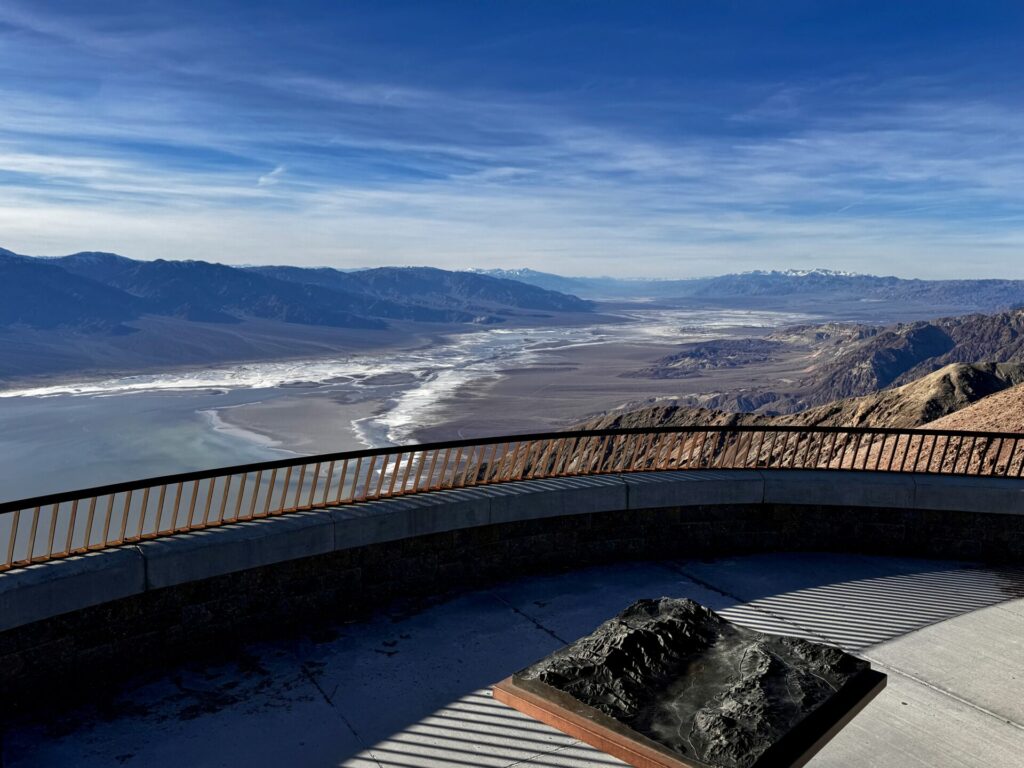
At 5,475 feet, this overlook delivers a staggering 360-degree panorama. During a super bloom, the valley floor far below becomes a tapestry of color visible for miles. Bring a telephoto lens.
Best Places to See the Bloom Up Close
Badwater Road (South)
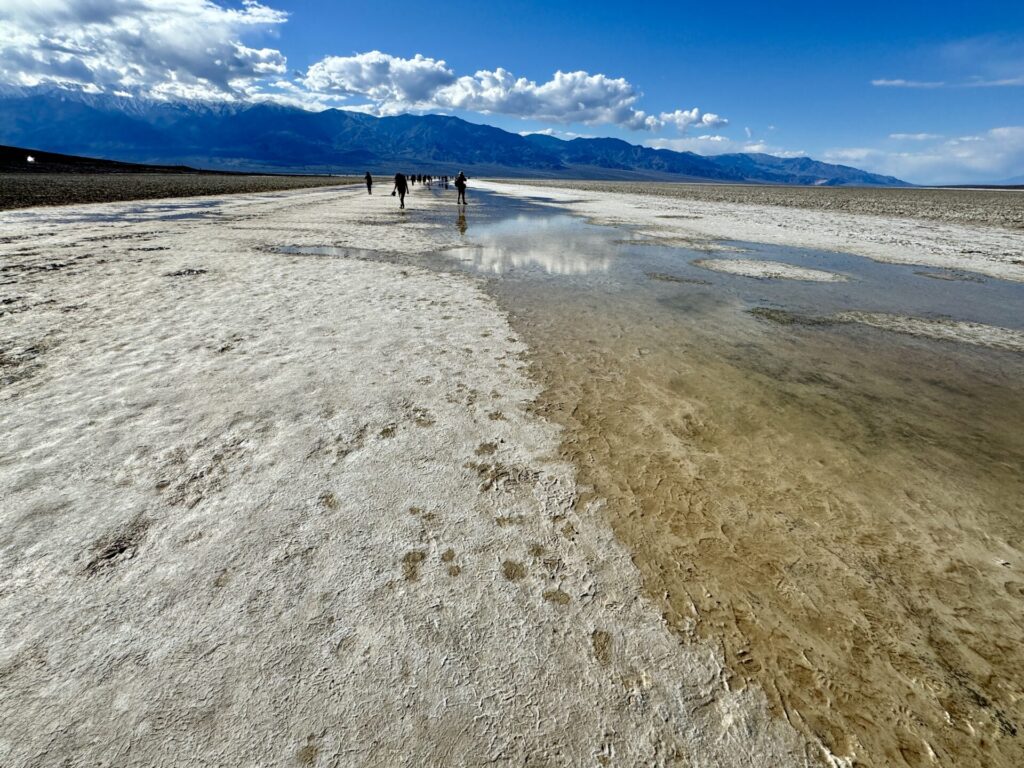
Among the first corridors in the park to bloom. Pull over anywhere south of Furnace Creek and walk on bare sand or rock — Desert Gold, Sand Verbena, and Five-Spot grow right alongside the road’s edge. Accessible for all vehicles.
Harmony Borax Works Area
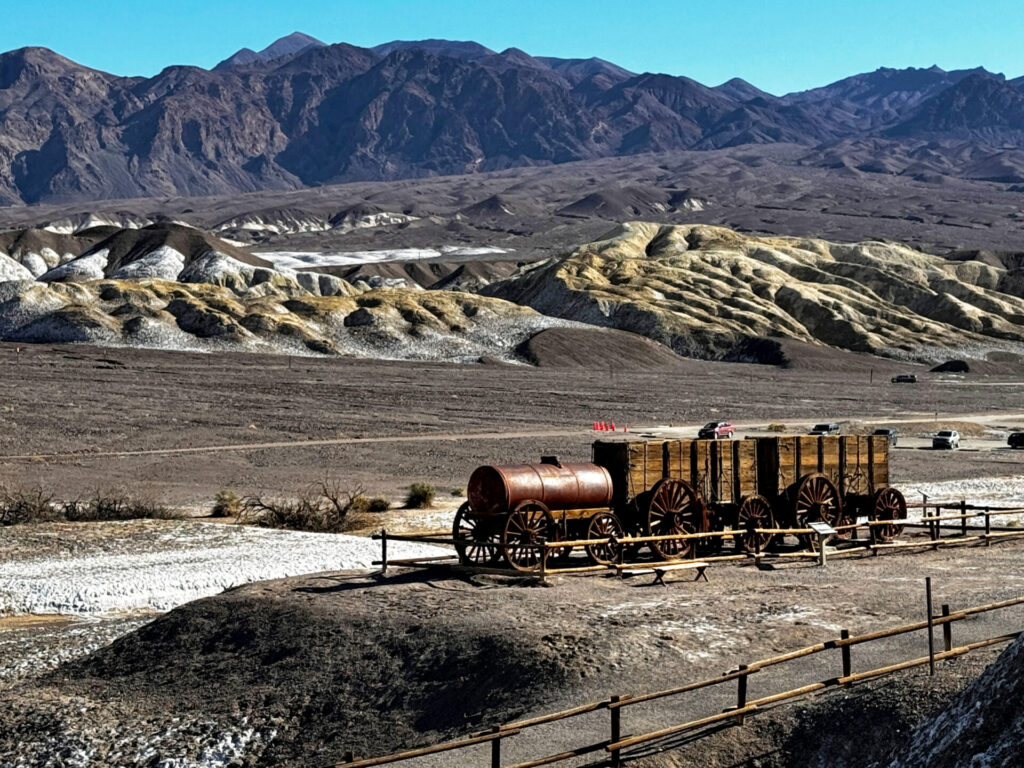
The open alkaline flats here consistently support dense colonies of Desert Gold and Phacelia. A short, easy walk from the parking area puts you right in the middle of the flower fields.
Highway 190 — Stovepipe Wells to Furnace Creek
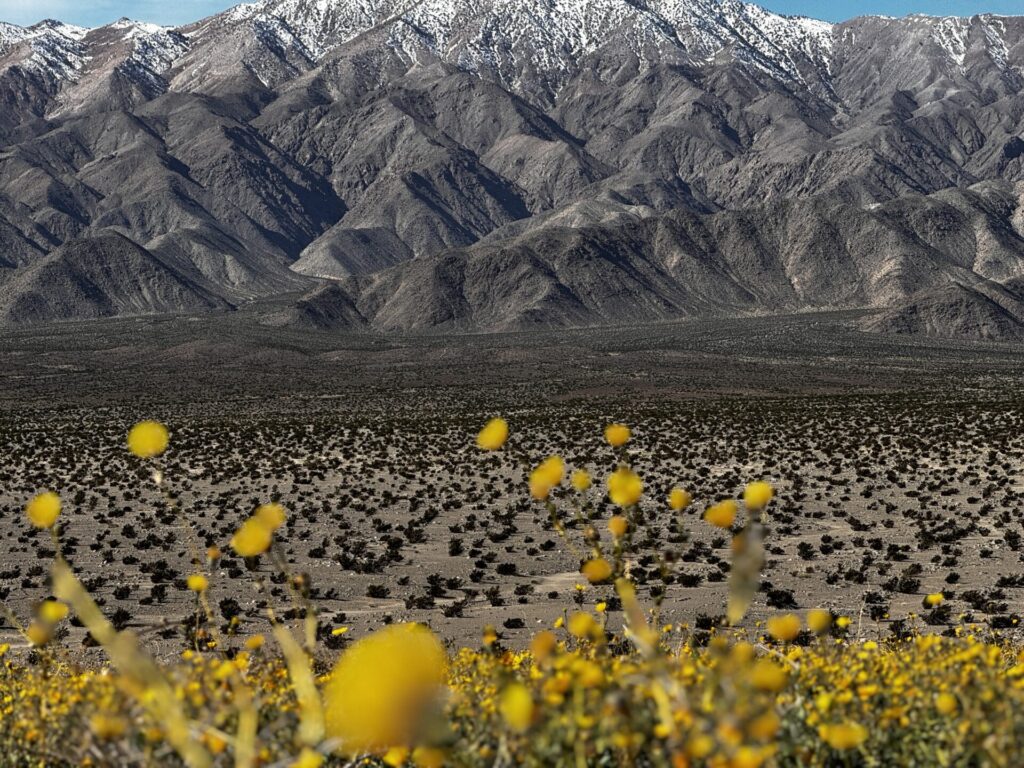
This central corridor blooms reliably across multiple species. Pull over to walk among the flowers, or take in the sweeping roadside color on a slow drive through the heart of the park.
Essential Visitor Tips
- Bring at least a gallon of water per person per day. Death Valley’s dry air depletes hydration quickly even in mild spring weather.
- Walk only on bare sand, rock, or established trails — never step on flowers or dense bloom patches, as compressed soil damages dormant seeds and living roots.
- Visit at dawn or dusk for the best photography light, cooler temperatures, and smaller crowds. Spring mornings can be 55°F but afternoons may climb to 90°F — dress in layers.
- Check current conditions at nps.gov/deva before visiting. The NPS updates wildflower reports weekly during bloom season so you can pinpoint exactly where the action is.
- Check out our travel guide and GPS Audio Tour to Death Valley National Park (and beyond) in the Revealed Travel Guides app for more sights, activities and
0 Comments