
America set aside its national parks to preserve the best of what it has. That does not mean they’re interchangeable. Lumping them together because they all have a sign, a fee booth and a gift shop is like saying Maine, Hawai‘i and Minnesota feel the same. They don’t. Not even close.
Take a few of our favorite National Parks that couldn’t be more different if they tried: Acadia, Death Valley, Glacier and Great Smoky Mountains.
We’d Like to Introduce You to a Few of Our Favorite National Parks
Acadia National Park
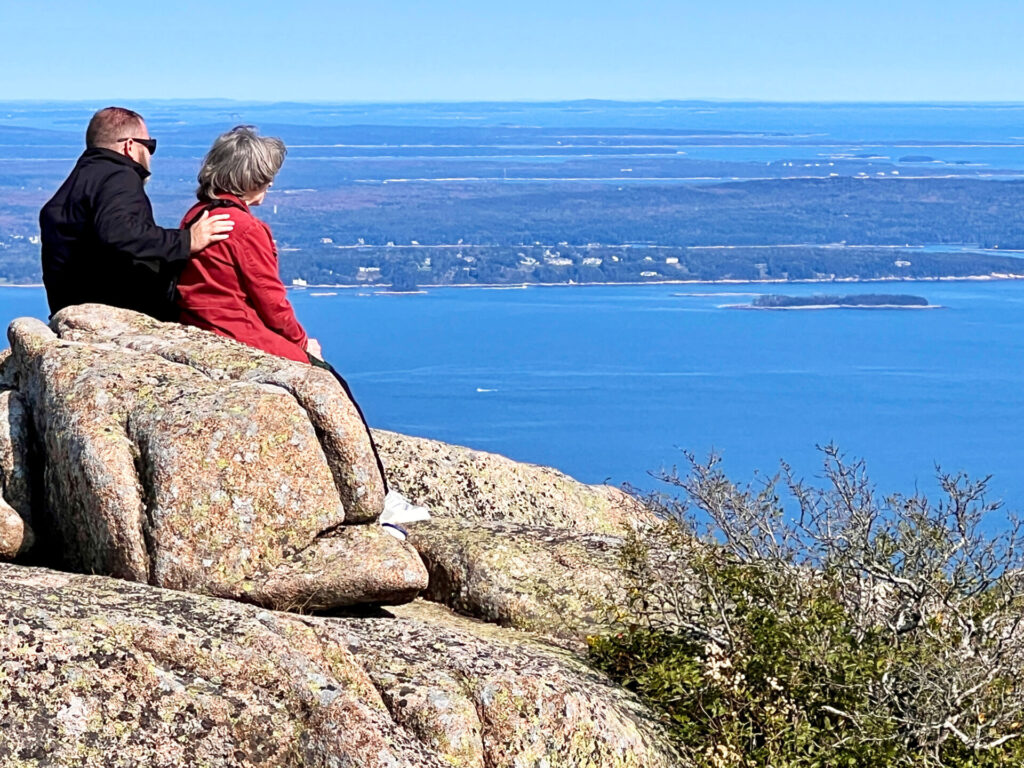
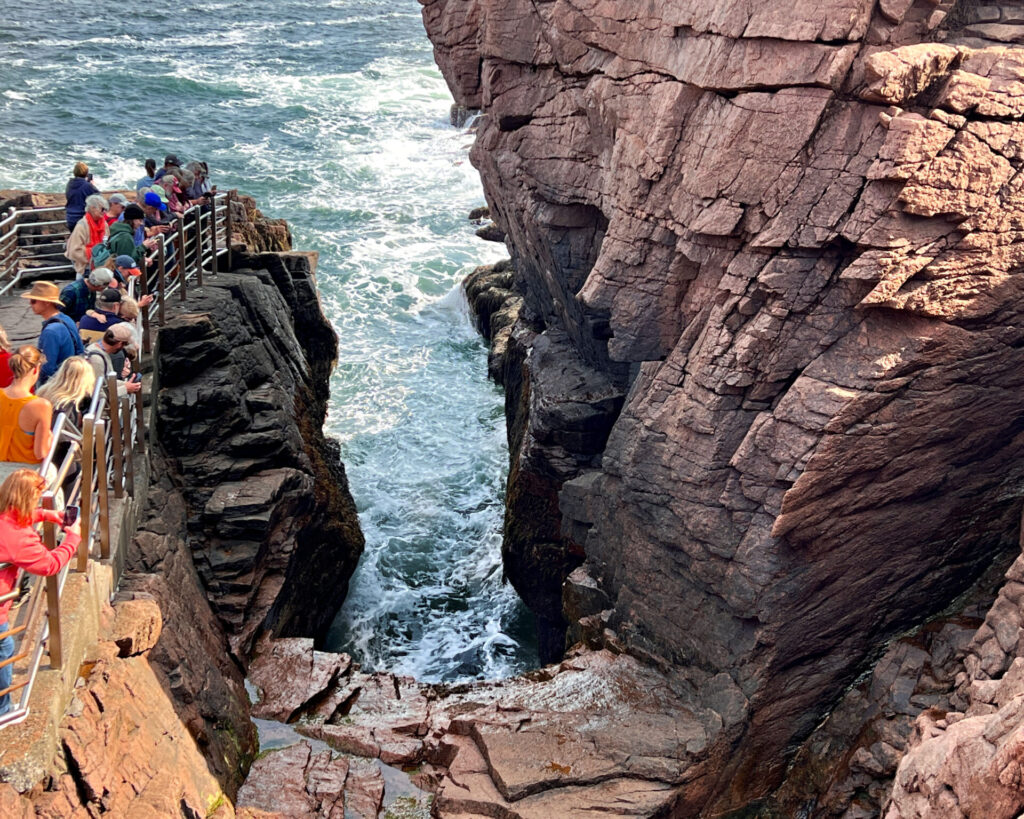
Acadia is where mountains meet the Atlantic – and politely step aside.
Located on Mount Desert Island off the coast of Maine, Acadia is compact, tidy and accessible. You can summit Cadillac Mountain in the morning, eat a lobster roll for lunch and be kayaking in the afternoon without needing survival gear. The roads are civilized. The trails are well marked. Civilization is never far away.
The drama here is vertical granite rising straight out of the ocean. Think cliffs, spruce forests, tide pools and cold salt air that makes you feel vaguely healthier just breathing it. It’s one of the few places in the U.S. where you can watch the sunrise from the first point the sun hits in the country for part of the year.
Acadia feels curated. Refined. Manageable. You’re unlikely to get lost for three days and have to eat your hiking partner. This is wilderness with guardrails (sometimes literally).
Death Valley National Park
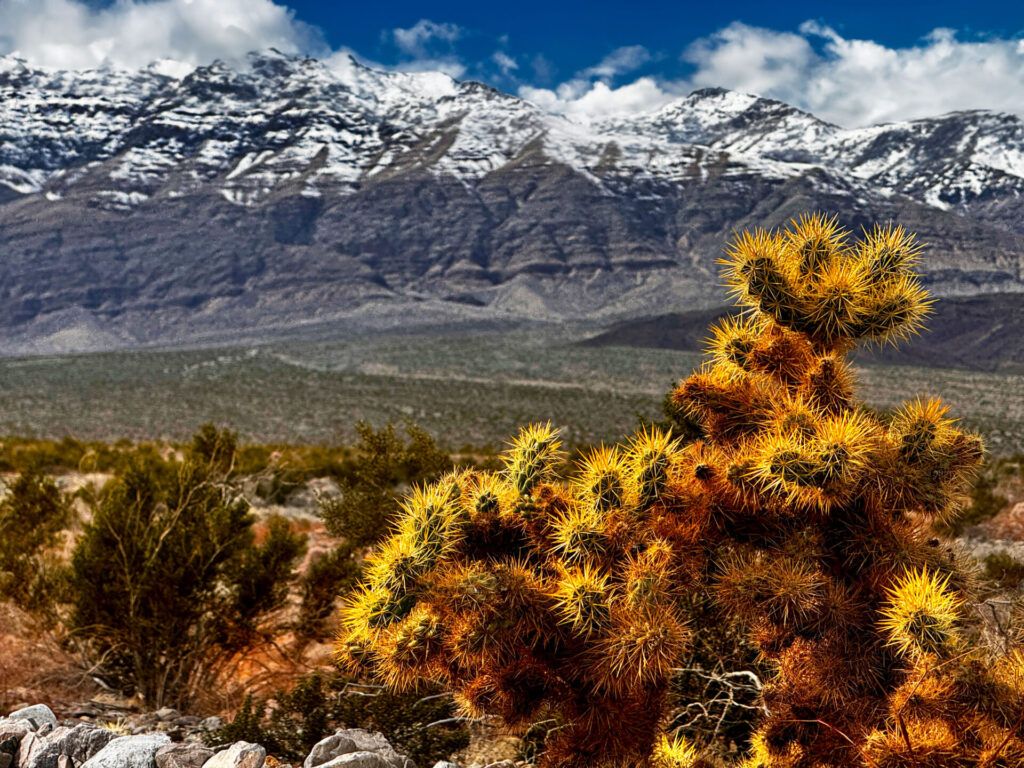
Now remove the ocean. Remove the trees. Remove mercy.
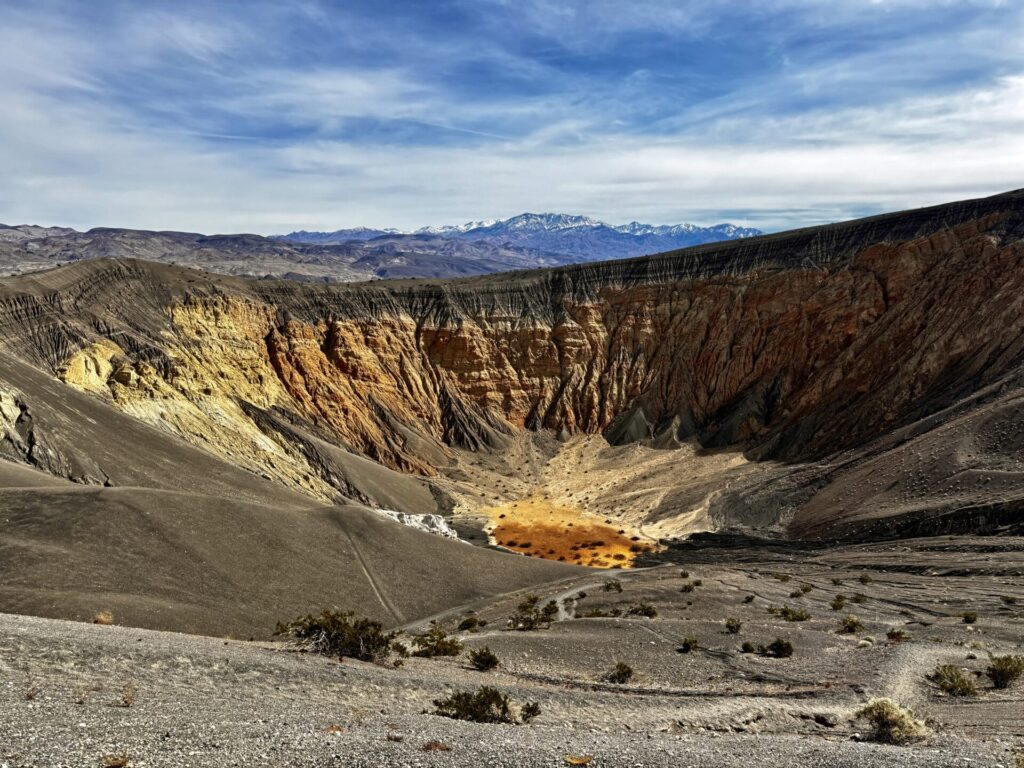
Death Valley is the hottest, driest and lowest national park in the United States. It holds the record for the highest reliably recorded air temperature on Earth: 134°F at Furnace Creek. This is not a place for casual wandering.
The scale is enormous. Salt flats stretch to distant mountains that look deceptively close (they aren’t). Sand dunes glow at sunrise. Badlands ripple in eroded waves of tan and gold. And in summer, the heat is so aggressive it feels personal.
Unlike Acadia, Death Valley does not feel curated. It feels indifferent. There’s a stark beauty here – minimalist, brutal and hypnotic – but you respect it or you regret it. Water is not optional. Shade is strategic. Your car is not just transportation; it’s life support.
If Acadia is a coastal painting, Death Valley is a geology textbook that caught fire.
Glacier National Park
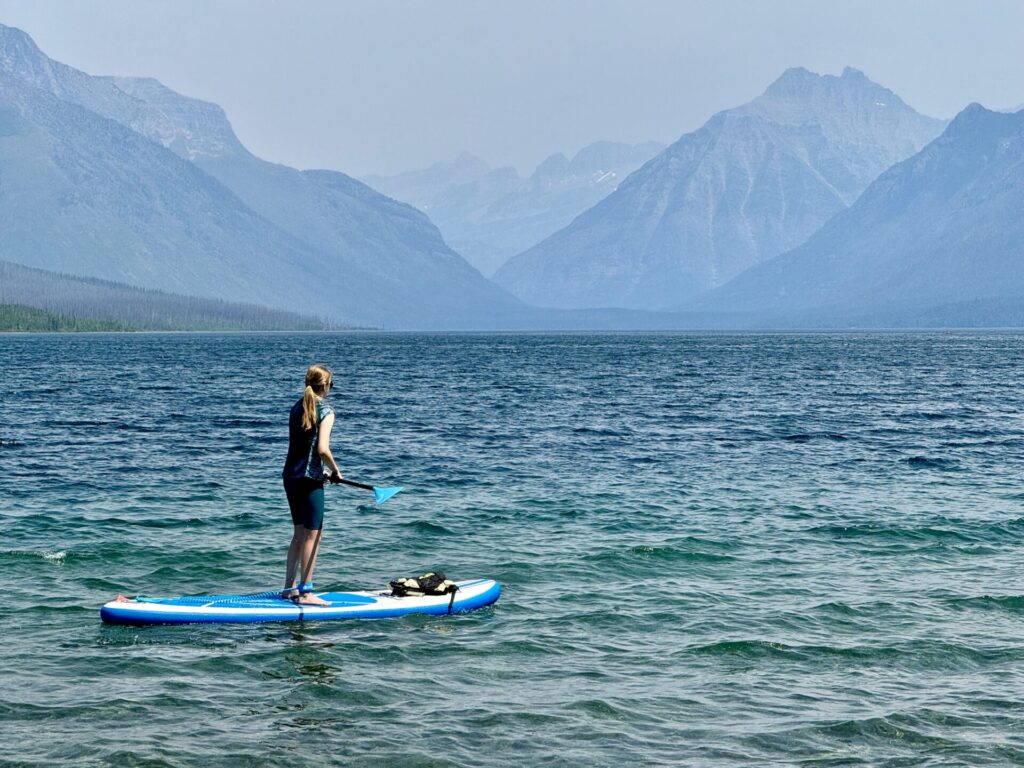
Glacier is vertical ambition.
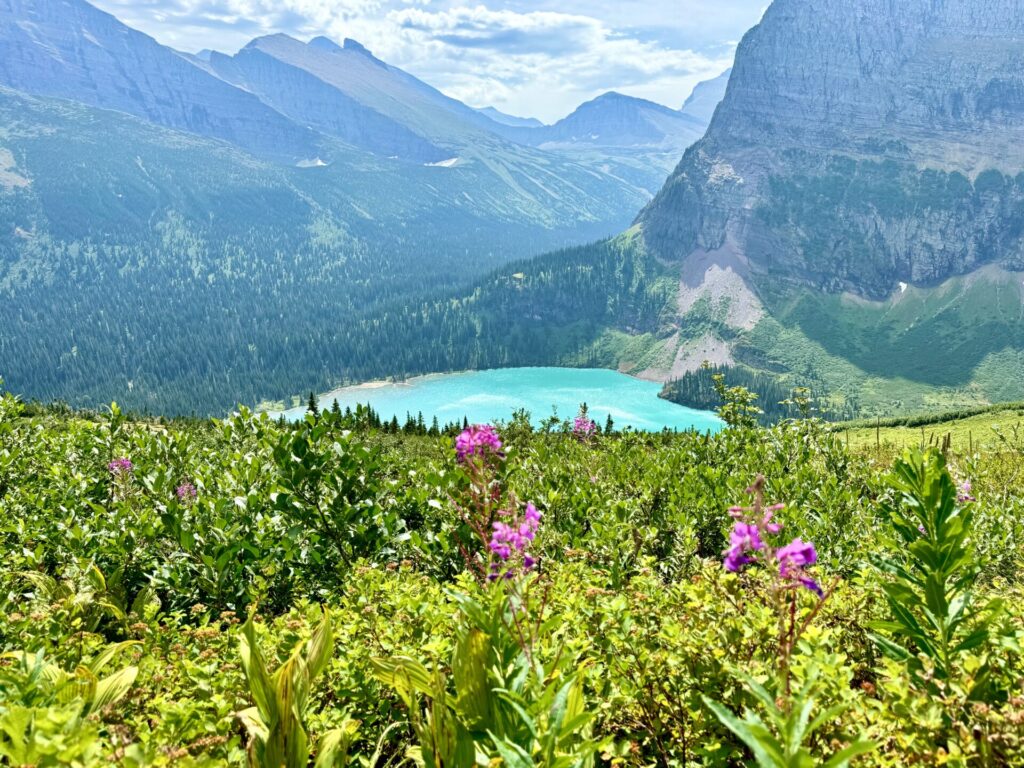
Located in northern Montana along the Canadian border, Glacier is alpine spectacle: jagged peaks, turquoise lakes and actual glaciers clinging to high cirques (though they are retreating quickly). This is big mountain country, carved by ice and unapologetic about it.
The Going-to-the-Sun Road alone is one of the most dramatic drives in the country – a narrow ribbon clinging to cliffs with drop-offs that will make you grip the steering wheel harder than necessary. Wildlife is real here: grizzly bears, mountain goats, moose. You are not at the top of the food chain.
Unlike Acadia’s tidy network or Death Valley’s open expanses, Glacier feels rugged and muscular. Weather changes fast. Snow can linger well into summer at higher elevations. Hikes are longer, steeper and more committing.
This park is about elevation – in terrain, in views and occasionally in heart rate.
Great Smoky Mountains National Park
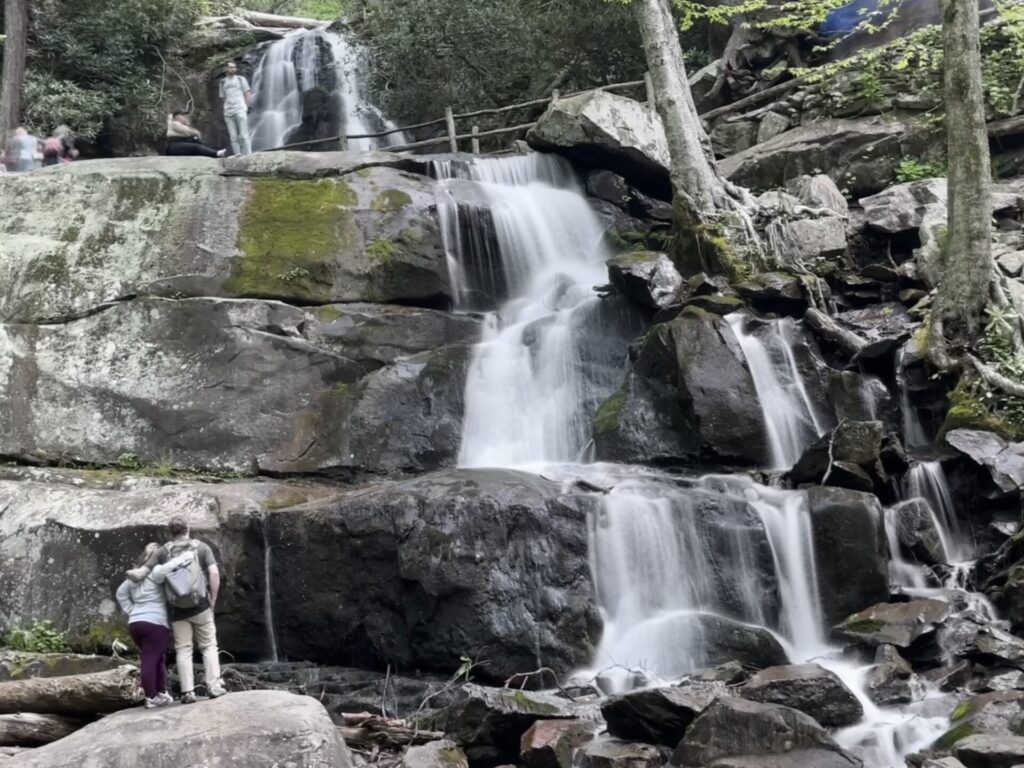
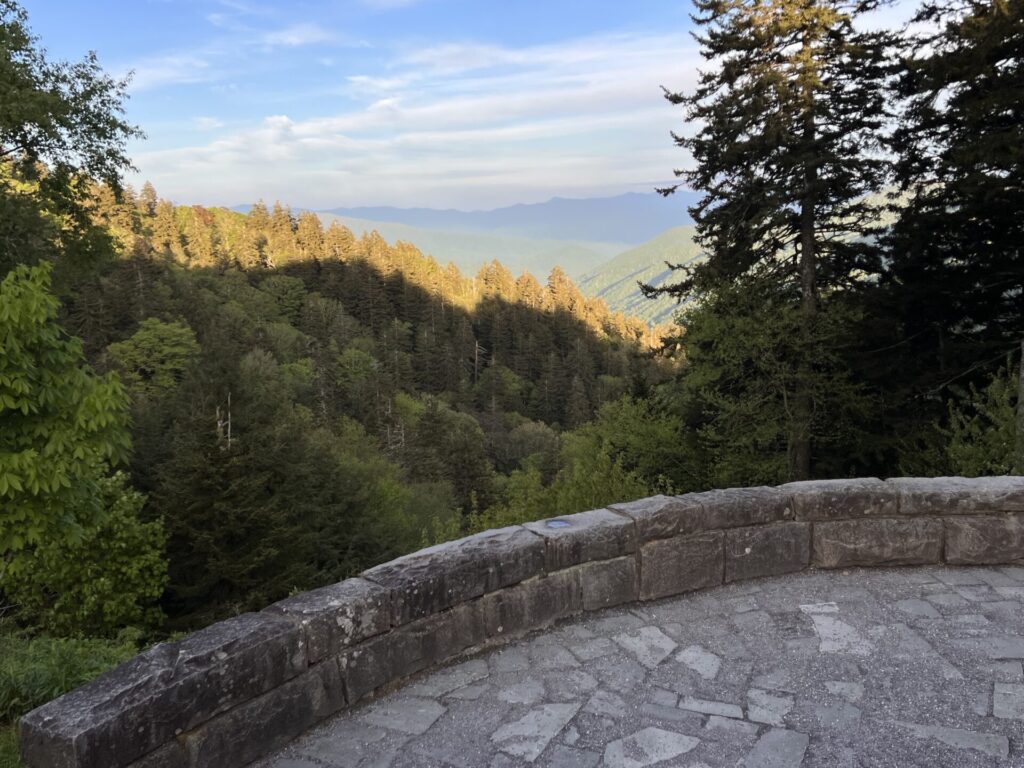
The Smokies are different again. Softer in outline. Older in geology. And far more humid.
Straddling Tennessee and North Carolina, Great Smoky Mountains National Park is the most visited national park in the country. Partly because it’s accessible to a huge population base. Partly because it’s free. And partly because it delivers.
The mountains here are rounded, ancient and heavily forested. Instead of Glacier’s jagged skyline, you get layered blue ridges fading into haze (the “smoke” comes from natural volatile compounds released by vegetation). Waterfalls are everywhere. Wildlife includes black bears, elk and an astonishing diversity of plant life.
The Smokies feel lived-in. Historic cabins, churches and cemeteries dot the landscape. Unlike the stark isolation of Death Valley or the alpine severity of Glacier, the Smokies feel intimate. You’re walking through Appalachian history as much as wilderness.
And yes, there will be traffic. And crowds. This is not remote Montana.
So What’s the Real Difference Between These National Parks?
Climate:
Acadia is cool and maritime. Death Valley is furnace-level hot. Glacier is alpine and snowy. The Smokies are humid and temperate.
Scale and Exposure:
Death Valley and Glacier are vast and potentially dangerous if underestimated. Acadia and the Smokies are more forgiving, though still capable of humbling you.
Landscape Personality:
- Acadia = granite coast and cold Atlantic drama.
- Death Valley = desert extremes and geological minimalism.
- Glacier = towering peaks and glacial lakes.
- Smokies = lush forests and rolling Appalachian ridges.
Visitor Experience:
- If you want manageable adventure with lobster nearby, pick Acadia.
- If you want existential heat and surreal desert light, pick Death Valley.
- If you want classic big-mountain awe, pick Glacier.
- If you want biodiversity, waterfalls and misty ridgelines, pick the Smokies.
They’re all national parks. That’s where the similarity ends.
Choose based on what kind of landscape moves you – ocean cliffs, desert silence, alpine ice or ancient forest. Just don’t bring Death Valley expectations to Maine. Or a Maine packing list to Death Valley.
Off-Roading
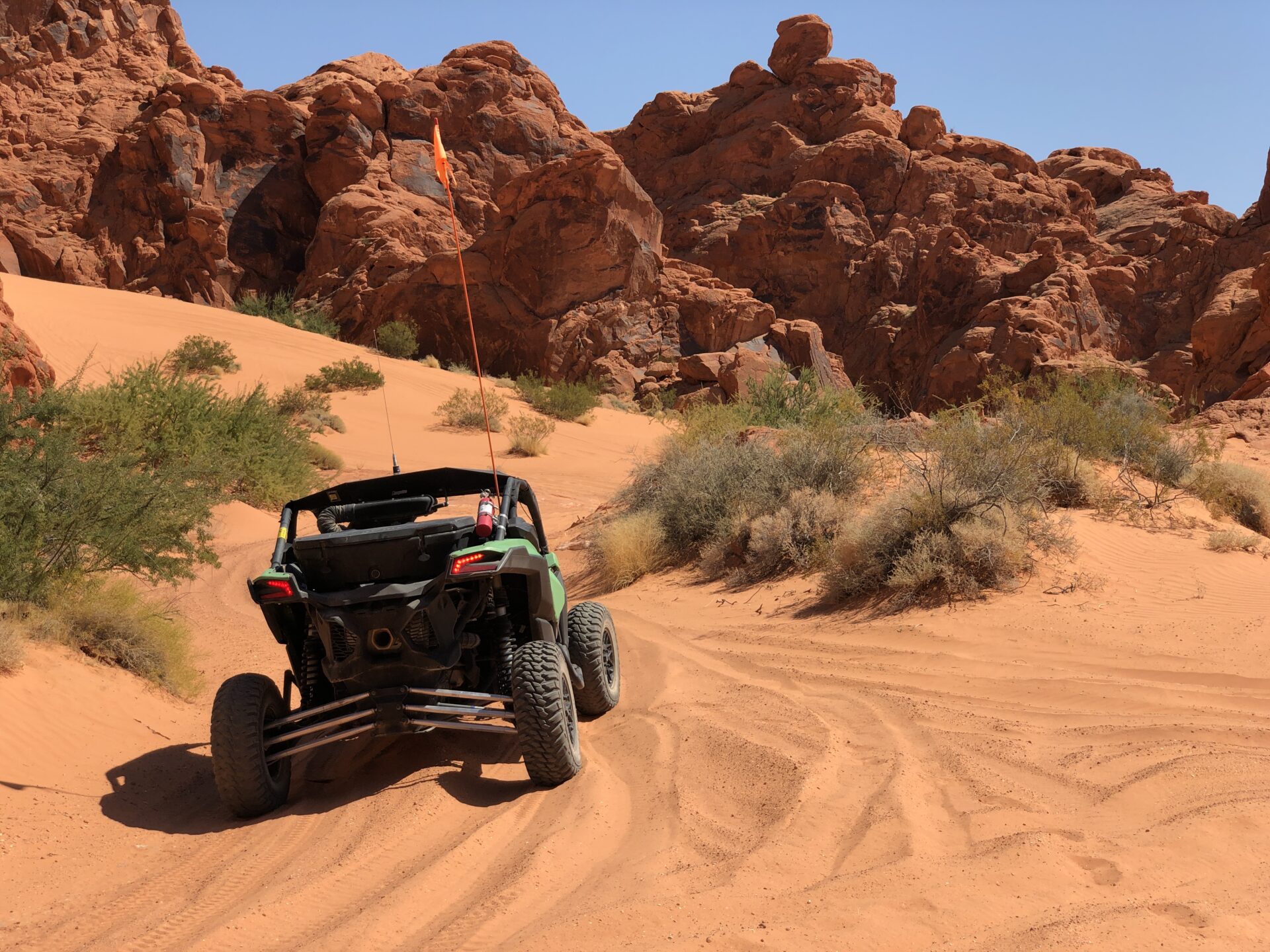
Ultimate Desert Adventures
Ultimate Desert Adventures offers a unique off-roading experience in the best areas around Vegas, letting you drive a UTV through the Valley of Fire on your own. For thrill-seekers wanting an independent adventure, this is a top choice.
0 Comments